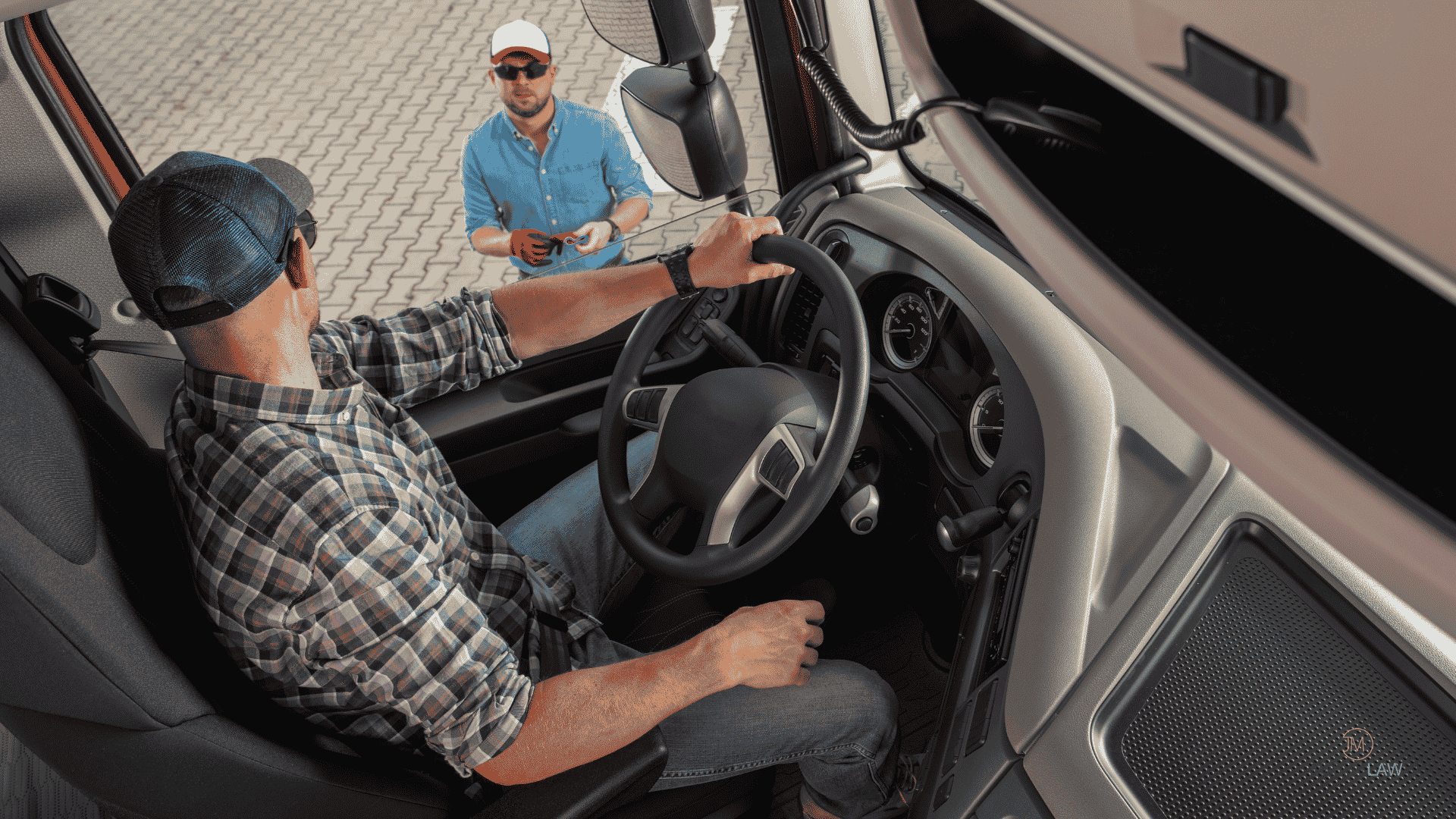
يرن الهاتف. لا تزال تشعر بالألم، ولا تزال تحت تأثير الصدمة، وربما تحاول استيعاب مدى خطورة إصاباتك. وعلى الطرف الآخر من الخط، يتصل بك شخص من شركة الشحن أو شركة التأمين التابعة لها، لـ "الاطمئنان عليك" و"معرفة حالتك".
يبدو الأمر كأنه مكالمة ودية، لكنه ليس كذلك.
تمتلك شركات الشحن وشركات التأمين فرقاً متخصصة في المطالبات، وظيفتها الأساسية هي تقليل المبالغ التي تدفعها الشركة بعد وقوع الحوادث. إنهم يتحركون بسرعة، ومدربون على هذا الأمر، ويدركون أن التواصل معك قبل أن توكل محامياً يمنحهم ميزة كبيرة. هذه المكالمة استراتيجية، ونبرة الصوت الودودة ليست سوى جزء من هذه الاستراتيجية.
ما تقوله في تلك الساعات والأيام الأولى قد يلاحقك طوال فترة قضيتك. إن فهم ما يحدث فعلياً عند تلقي تلك المكالمة، ومعرفة ما يجب عليك فعله بدلاً من الرد دون استعداد، يمكن أن يحدث فرقاً حقيقياً في قيمة تعويضك.
لماذا تتصل شركات الشحن بضحايا الحوادث بهذه السرعة؟
السرعة ليست صدفة. فعندما تتورط شاحنة تجارية في حادث، غالباً ما يتم تفعيل فريق المطالبات التابع للشركة في غضون ساعات. بل إن بعض الشركات الكبرى لديها محامون داخليون يبدأون العمل على القضية قبل أن تغادر المستشفى.
إليك سبب تحركهم بهذه السرعة:
- الأدلة تختفي بسرعة. آثار الفرامل تتلاشى، ويصبح العثور على الشهود أصعب، ويتم مسح تسجيلات كاميرات المراقبة. كلما جمعوا المعلومات بشكل أسرع، أصبحوا في وضع أفضل للتحكم في مجريات القضية.
- إنهم يريدون الوصول إليك قبل أن يفعل المحامي. بمجرد حصولك على تمثيل قانوني، تمر جميع الاتصالات عبر محاميك، مما يغلق باب الوصول إليك تماماً أمامهم.
- التصريحات المبكرة أدوات قوية. أي شيء تقوله في تلك المحادثات الأولى يمكن استخدامه للتشكيك في إصاباتك، أو الطعن في روايتك للحادث، أو إلقاء اللوم عليك.
- التسويات التي تُعرض في وقت مبكر تكون دائماً منخفضة القيمة. إذا تمكنوا من إقناعك بقبول تعويض سريع قبل أن تدرك المدى الكامل لإصاباتك، فيمكنهم إغلاق القضية بجزء بسيط مما قد تستحقه فعلياً.
ما يحاولون معرفته حقاً
قد يبدو الشخص المتصل ودوداً ومتعاطفاً. قد يسألك عن شعورك، ويعبر عن قلقه، ويجعل الأمر يبدو وكأنهم في صفك. لكن ما يفعلونه في الواقع هو إجراء تحقيق غير رسمي.
على وجه التحديد، هم يبحثون عن:
- أي إشارة تدل على أنك لم تكن مصاباً بجروح خطيرة. يتم توثيق عبارات مثل "أنا بخير" أو "أشعر ببعض الألم لكنني بخير" واستخدامها لاحقاً للتقليل من قيمة مطالبات التعويض عن إصابتك.
- تفاصيل حول تصرفاتك قبل وقوع الحادث. هل كنت مسرعاً؟ هل كنت مشتتاً؟ هل كان لديك متسع من الوقت لاستخدام المكابح؟ إنهم يبحثون عن أي شيء يلقي بجزء من المسؤولية عليك.
- ما إذا كنت قد راجعت طبيباً. إذا لم تسعَ للحصول على رعاية طبية بعد، فسيصبح هذا التأخير سلاحاً ضِدك؛ حيث سيجادلون بأن إصاباتك لم تكن خطيرة بما يكفي لتستدعي رعاية فورية.
- ما إذا كان لديك محامٍ. إذا لم يكن لديك محامٍ، فأنت هدف أسهل. أما إذا كان لديك، فهم يدركون أن المحادثة يجب أن تنتهي.
- حالتك الذهنية العامة. الارتباك، أو الحزن، أو الرغبة في الحديث، كلها إشارات لهم بأنك قد تكون شخصاً يسهل التوصل معه إلى تسوية سريعة وغير مكلفة.
ما يجب ألا تقوله أبداً لممثل شركة النقل
حتى الأشخاص الحذرون والصادقون قد يقولون أشياء في أعقاب الحادث تنعكس سلباً على قضيتهم. إليك العبارات التي يجب تجنبها تماماً:
- "أنا بخير" أو "أشعر أنني بحالة جيدة". قد لا تدرك الحجم الكامل لإصاباتك بعد. فإصابات الأنسجة الرخوة، والإصابات الداخلية، وإصابات الدماغ الرضية غالباً لا تظهر أعراضها على الفور.
- أي اعتذار أو تعبير عن تحمل المسؤولية. عبارات مثل "كان يجب أن أراهم" أو "ربما كان بإمكاني التخفيف من سرعتي في وقت أبكر" يمكن استخدامها كاعترافات بالمسؤولية.
- تفاصيل حول تاريخك الطبي السابق. سيستخدمون الحالات الطبية الموجودة مسبقاً للادعاء بأن إصاباتك ليست ناتجة عن الحادث.
- التكهنات حول ما حدث. التزم فقط بما تعرفه يقيناً. لا تملأ الفراغات بالتخمينات.
- روتينك اليومي أو مكان عملك. يمكن استخدام المعلومات المتعلقة بمكان عملك وجدولك الزمني لمراقبتك أو للتشكيك في مدى تأثير إصاباتك على حياتك.
حقك في رفض المكالمة
لا يدرك الكثير من الناس أنه ليس عليهم أي التزام قانوني بالتحدث مع شركة التأمين الخاصة بالطرف الآخر أو ممثل المطالبات بعد وقوع حادث. لديك الحق الكامل في:
- رفض الإجابة على الأسئلة في أي مكالمة ترد من شركة النقل أو شركة التأمين التابعة لها
- إنهاء المحادثة في أي وقت، حتى لو بدأت التحدث بالفعل
- إحالتهم إلى محاميك، مما ينهي فعلياً أي تواصل مباشر
- طلب أن يتم كل التواصل اللاحق كتابةً، مما يضمن توثيق الأمر
ما يجب فعله فوراً بعد المكالمة (أو بدلاً من الرد عليها)
سواء كنت قد تحدثت بالفعل مع شخص ما أو كانت المكالمة لا تزال واردة، فإليك ما يجب عليك فعله:
- دوّن كل شيء. سجل وقت المكالمة، واسم الشخص الذي اتصل، والشركة التي يمثلها، وأي شيء قيل. افعل ذلك في أسرع وقت ممكن بينما لا تزال التفاصيل حاضرة في ذهنك.
- لا توقع على أي شيء. يجب أن يراجع المحامي أي وثيقة تأتي من شركة النقل أو شركة التأمين التابعة لها قبل أن تلمسها. ويشمل ذلك نماذج التفويض الطبي، التي قد تمنحهم حق الوصول إلى سجلك الطبي بالكامل.
- لا تقبل أي أموال في الوقت الحالي. غالباً ما تكون عروض التسوية المبكرة أقل بكثير من القيمة الحقيقية للقضية. وقد يتطلب قبول الدفع التنازل عن أي مطالبات مستقبلية.
- اطلب الرعاية الطبية إذا لم تكن قد فعلت ذلك بالفعل. صحتك هي الأولوية، كما أن توثيق الرعاية الطبية أمر بالغ الأهمية لقضيتك. توجه إلى قسم الطوارئ أو مركز الرعاية العاجلة أو طبيبك الخاص وأخبرهم بالتفصيل عن كيفية إصابتك.
- تواصل مع محامٍ متخصص في حوادث الشاحنات. كلما حصلت على تمثيل قانوني في وقت أبكر، زادت سرعة عمل شخص ما لحمايتك بدلاً من حماية شركة الشحن.
لماذا تختلف قضايا حوادث الشاحنات عن حوادث السيارات العادية
تطبيق اللوائح الفيدرالية
تخضع شركات الشحن وسائقوها لرقابة الهيئة الفيدرالية لسلامة ناقلات السيارات (FMCSA). تغطي هذه اللوائح ساعات الخدمة، وصيانة المركبات، ومؤهلات السائقين، وتحميل البضائع، وغير ذلك الكثير. إن انتهاكات قواعد FMCSA يمكن أن تكون جوهرية في تحديد المسؤولية في قضايا الشاحنات.
تعدد الأطراف المسؤولة
على عكس حوادث السيارات العادية، قد تشمل حوادث الشاحنات السائق، أو شركة النقل، أو شركة التأجير، أو شركة شحن البضائع، أو مقاول الصيانة، أو مزيجاً من كل هؤلاء. يتطلب تحديد كل طرف مسؤول إجراء تحقيق، ويجب أن يبدأ هذا التحقيق بسرعة.
الحفاظ على الأدلة أمر حساس للوقت
تلتزم شركات الشحن بالاحتفاظ بسجلات معينة، ولكن فقط إذا تلقت طلباً قانونياً بالحفاظ عليها في الوقت المناسب. بيانات أجهزة التسجيل الإلكترونية، ملفات مؤهلات السائق، وسجلات الصيانة، وتقارير الفحص، كلها قد تكون حاسمة. وبدون خطاب حفظ الأدلة في الوقت المناسب من محامٍ، قد تضيع تلك الأدلة.
كيف يحميك المحامي منذ لحظة اتصالك به
عندما توكل محامياً متخصصاً في حوادث الشاحنات، تتغير موازين القوى على الفور. إليك ما يفعله التمثيل القانوني من أجلك مباشرة:
- تتم جميع الاتصالات مع شركة الشحن وشركة التأمين الخاصة بهم من خلال محاميك. لا مزيد من المكالمات، لا مزيد من الضغوط، ولا مزيد من مخاطر قول أي شيء قد يضر بموقفك.
- يتم إرسال خطاب حفظ الأدلة على الفور، لإخطار شركة النقل قانونياً بضرورة الاحتفاظ بجميع الأدلة ذات الصلة قبل إتلافها أو استبدالها.
- يقوم محاميك بالتحقيق في سجل السائق، وسجل سلامة شركة النقل من خلال نظام FMCSA SAFER، وأي انتهاكات سابقة أو أنماط من الإهمال.
- يتم تكوين صورة كاملة عن أضرارك بشكل صحيح، بما في ذلك النفقات الطبية، وفقدان الدخل، واحتياجات الرعاية طويلة الأمد، والألم والمعاناة، لضمان عدم ضياع أي من حقوقك.
- يتولى محاميك إدارة الجدول الزمني، لضمان عدم تفويت المواعيد النهائية ولضمان سير القضية بشكل استراتيجي بدلاً من رد الفعل.
المكالمة التي تهمك حقاً
اتصلت بك شركة النقل لسبب ما. لقد اتصلوا بسرعة، واستخدموا نبرة ودودة، وكانوا يأملون أن تقول شيئاً مفيداً قبل أن تدرك ما يحدث. هذا ليس مجرد تكهنات، بل هكذا تسير العملية.
أنت لم تتسبب في وقوع هذا الحادث، ولست مديناً لأي شخص على الطرف الآخر من تلك المكالمة بتقديم تفسير أو بيان أو اعتذار. ما تدين به لنفسك هو فرصة معرفة القيمة الحقيقية لقضيتك قبل أن تنبس ببنت شفة لأي شخص يمثل أولئك الذين تسببوا في أذيتك.
احصل على تقييم مجاني لقضيتك من Marko Law
إذا تعرضت أنت أو أحد أحبائك للإصابة في حادث شاحنة، فإن المحادثة التي تحتاج إلى إجرائها ليست مع فريق مطالبات شركة النقل، بل معنا.
تواصل مع Marko Law اليوم للحصول على تقييم مجاني لقضيتك دون أي التزام. لا توجد تكلفة للتحدث معنا، وما ستتعلمه قد يغير كل شيء في مسار قضيتك.
📞 +1-313-777-7777
📍 220 W. Congress, 4th Floor, Detroit, MI 48226
🌐 markolaw.com
في ماركو لو، نحن نقاتل بشراسة. ولا نتراجع أبداً.