How Catastrophic Injury Cases Are Built: Lessons From a Historic Michigan Verdict
What does it really take to build a catastrophic injury case? From preserving critical evidence to proving lifetime damages, discover the legal strategy behind one of Michigan's largest verdicts and why trial preparation can make all the difference.
It begins in a hospital room, where a family is trying to understand what happened. It begins with medical records, damaged equipment, scattered witnesses, disappearing video footage, and questions no one can answer yet.
Then the real work starts.
In July 2026, an Oakland County jury awarded approximately $896.5 million to a child who suffered permanent brain damage and severe orthopedic injuries when a prototype vehicle crashed into spectators during a student STEM field trip at Continental Automotive Systems’ Auburn Hills test track.
Continental admitted responsibility before trial. But admitting fault did not answer the most important question:
What would this injury cost the child over the course of an entire lifetime?
That question became the center of the trial and it illustrates why catastrophic injury cases must be built differently from ordinary accident claims.
The Crash That Changed a Child’s Future
The underlying crash occurred in July 2023 during a summer program for students interested in science, technology, engineering, and mathematics.
Children and their families were invited to watch a vehicle demonstration involving a prototype Ford Mustang Dark Horse. During the demonstration, the driver lost control of the vehicle, struck a barrier, and crashed into spectators positioned near the track.
Two children suffered devastating injuries. Public reporting described skull fractures, traumatic brain damage, broken bones, tinnitus, and other serious harm.
The lawsuit alleged that basic safety measures were ignored, including concerns about where spectators were placed, whether the driver was qualified for the demonstration, and whether the event was adequately planned and supervised.
In the case that proceeded to trial in July 2026, Continental admitted liability. That meant the jury was not being asked to decide whether Continental was responsible for the crash.
The jury had to decide what full and fair compensation looked like for a child whose life had been permanently changed.
Catastrophic Injury Cases Must Account for a Lifetime
A broken bone may heal. A vehicle can be replaced.
Permanent brain damage requires a different kind of legal analysis.
A catastrophic injury claim must evaluate not only what has already happened, but what the injured person may need decades into the future. That can include:
Medical treatment and rehabilitation
Attendant and supervisory care
Case management
Transportation assistance
Home modifications
Educational support
Lost wages and earning capacity
Psychological treatment
Assistive technology
Future surgeries and therapies
The loss of independence and enjoyment of life
The official jury verdict form required jurors to evaluate past economic losses and future expenses across many individual years. It also asked the jury to consider future lost earning capacity and a long list of noneconomic harms, including physical pain, mental anguish, traumatic brain injury, memory loss, PTSD, anxiety, depression, executive-functioning deficits, post-concussive symptoms, sleep disruption, permanent scarring, and balance problems.
That level of detail is not excessive.
It is necessary.
When an injury will last a lifetime, the case must be built to show the jury what that lifetime may actually look like.
Step One: Preserve the Evidence Before It Disappears
Evidence begins disappearing almost immediately after a serious accident.
Surveillance footage can be erased. Vehicles can be repaired or altered. Electronic data may be overwritten. Witnesses may forget details. Internal communications can become harder to locate.
A trial-ready legal team must act quickly to identify and preserve evidence, which may include:
Video of the accident
Photographs of the scene
Vehicle data
Driver training and qualification records
Event-planning documents
Internal emails and messages
Safety protocols
Inspection reports
Medical records
Witness statements
Corporate policies
Prior warnings or similar incidents
In a complex corporate negligence case, the most important evidence may not be visible at the scene. It may be buried in internal documents showing who approved an event, what risks were discussed, which safety procedures existed, and whether anyone raised concerns before the accident.
A catastrophic case cannot be built on assumptions. It must be built on evidence.
Step Two: Reconstruct How the Failure Occurred
Corporations are not held accountable simply because an injury happened on their property.
The legal team must show how the organization’s decisions, omissions, policies, or failures contributed to the harm.
That frequently requires accident-reconstruction specialists, engineers, safety professionals, medical experts, and other qualified witnesses.
In the Continental case, the core allegations went beyond the moment the driver lost control. The lawsuit raised broader questions:
Was the driver properly qualified?
Was the demonstration designed and supervised safely?
Why were children positioned near a high-speed prototype vehicle?
Were adequate barriers or separation distances used?
Were spectators warned about the risks?
Who approved the demonstration?
What should organizers have done differently?
These are the questions that transform an incident from “a terrible accident” into a corporate negligence case.
A strong catastrophic injury claim does not stop at identifying the person operating the vehicle. It examines every level of decision-making that placed the victim in danger.
Step Three: Understand the Injury Beyond a Diagnosis
One of the most difficult parts of a traumatic brain injury case is that the injured person may look “better” long before the brain has recovered.
A child may return to school. A student may earn good grades. Someone may hold a conversation, walk into a courtroom, or smile for a photograph.
None of that proves the injury has disappeared.
During the Continental trial, the defense pointed to the child’s academic performance and argued that his grades suggested limited cognitive impairment. Jon Marko responded that report cards did not show the whole person. According to Courtroom View Network, he explained that an “A” does not reveal the hours of parental help required to complete homework or the child’s continuing struggles with daily tasks such as dressing independently.
That is why catastrophic injury lawyers work with medical professionals, neuropsychologists, rehabilitation specialists, teachers, caregivers, family members, and life-care planners.
Medical imaging and diagnostic labels matter. But the jury must also understand how the injury affects real life:
Can the person complete daily tasks independently?
Can the child keep pace with classmates without extensive help?
Has behavior or personality changed?
Are headaches, dizziness, memory problems, or fatigue interfering with life?
Will the person be able to live independently?
What type of employment may still be possible?
How much care will be required as parents and caregivers age?
A catastrophic injury case is ultimately about the human being behind the records.
Step Four: Build a Credible Life-Care Plan
Future damages cannot be based on guesswork.
A life-care plan is a detailed projection of the treatment, equipment, services, and support an injured person may reasonably require throughout life. It may incorporate opinions from physicians, therapists, rehabilitation professionals, economists, vocational experts, and other specialists.
The plan can address costs such as:
Ongoing neurological care
Physical and occupational therapy
Psychological counseling
Medication
Attendant care
Educational assistance
Mobility devices
Transportation
Residential support
Future medical complications
Home modifications
The verdict form in the Continental case listed future economic damages year by year, extending decades into the child’s future.
That structure reflects a difficult reality: compensation must be determined now for needs that may continue long after the lawsuit ends.
Once a case is resolved, the injured person generally cannot return decades later because treatment became more expensive or support needs increased. The future must be investigated and presented before the verdict.
Step Five: Calculate Lost Earning Capacity, Not Just Lost Paychecks
A child does not have an established salary history.
That does not mean the loss of future earning capacity is unknowable or unimportant.
Vocational and economic experts may examine the child’s abilities before the injury, academic performance, interests, likely educational path, employment prospects, limitations caused by the injury, projected earnings, benefits, inflation, and work-life expectancy.
The question is not simply, “How much money has this person already lost?”
The deeper question is:
What opportunities were taken away before the child had the chance to pursue them?
In catastrophic injury litigation, lost earning capacity may represent decades of diminished opportunity; not just a few missed paychecks.
Step Six: Show the Noneconomic Losses the Bills Cannot Measure
Some of the largest harms do not come with receipts.
There is no invoice for losing independence. No standard price for permanent cognitive impairment. No bill showing what it is worth to need help dressing, struggle with memory, live with chronic pain, or lose the future a family once imagined.
Noneconomic damages may account for:
Pain and suffering
Mental anguish
Fear and shock
Loss of enjoyment of life
Disability
Disfigurement
Embarrassment or humiliation
Anxiety and depression
Permanent changes in personality or behavior
Loss of independence
These damages are often attacked as subjective.
But the fact that a loss cannot be neatly entered into a spreadsheet does not make it less real.
The jury’s job is to evaluate the testimony, evidence, and lived consequences and determine what amount fairly recognizes the human loss.
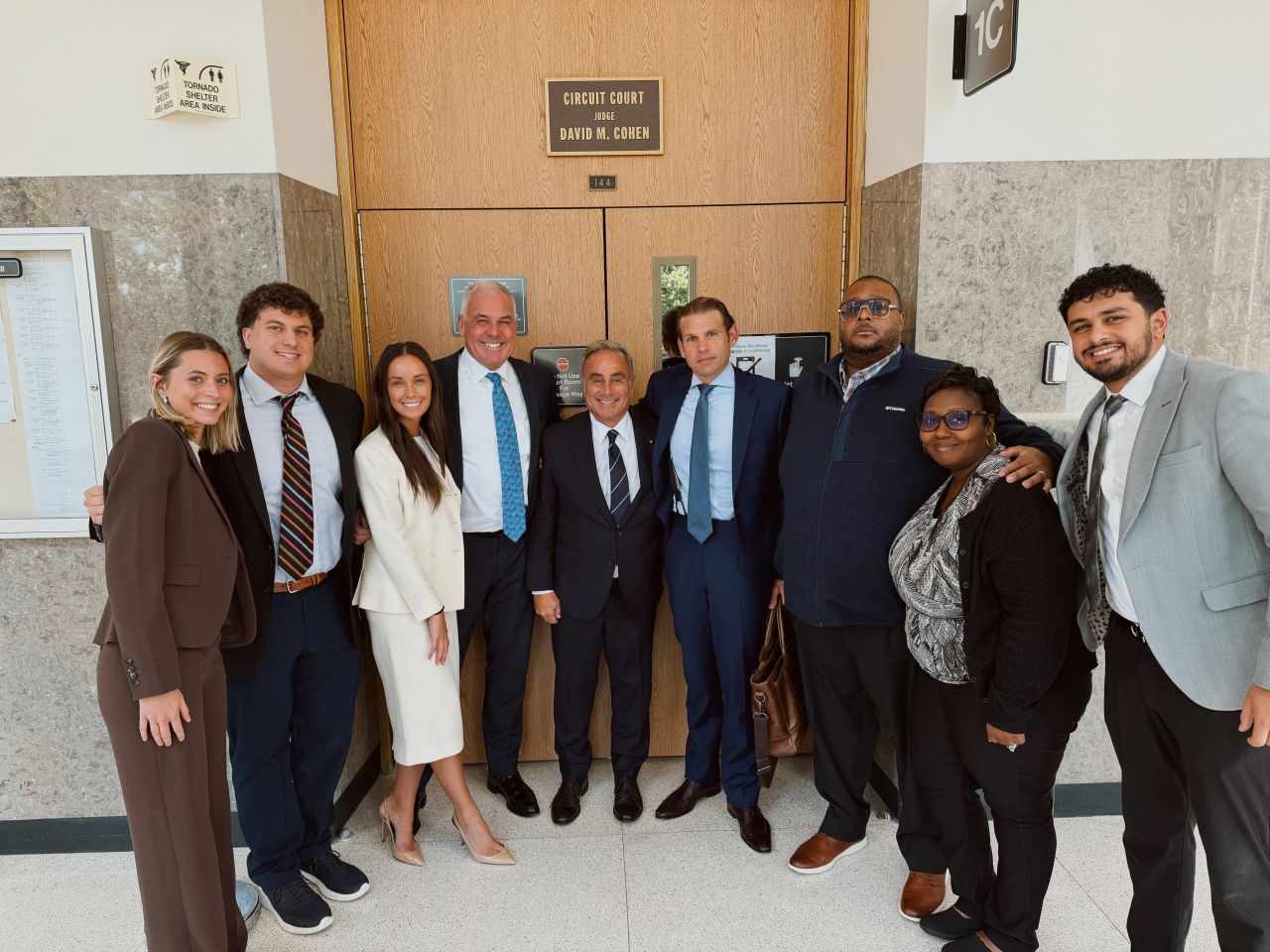
Historic verdicts aren't won by accident. They are built through relentless investigation, expert testimony, and trial preparation. Go behind the scenes of a record-setting Michigan catastrophic injury case and see what it takes to fight for justice.
Step Seven: Prepare for the Defense to Minimize the Injury
When liability is clear, the defense may shift its attention to damages.
The argument becomes less about whether the defendant caused the incident and more about whether the victim is “really that injured.”
Defendants may point to:
Good grades
Social media activity
Moments of apparent improvement
Isolated medical notes
Preexisting conditions
A return to school or work
The absence of visible physical limitations
Different opinions among medical experts
A catastrophic injury lawyer must anticipate those arguments.
The case must explain why improvement is not the same as recovery, why a strong day does not erase permanent limitations, and why a person should not be penalized for working hard to rebuild a life after trauma.
Resilience does not reduce responsibility.
Step Eight: Prepare Every Witness to Tell One Clear, Honest Story
Catastrophic cases often involve many witnesses and thousands of pages of evidence.
Doctors explain diagnoses. Economists explain future financial losses. Care planners describe long-term needs. Teachers discuss academic changes. Parents explain what daily life now requires.
Each witness addresses a different part of the case, but the evidence must fit together.
The goal is not theatrical exaggeration. It is clarity.
Jurors must be able to understand:
What happened.
Why it should not have happened.
What injuries resulted.
How those injuries affect the person today.
What the future will require.
Why the requested compensation is supported by evidence.
The most powerful trial presentation is often the one that takes extraordinarily complex information and makes it understandable without losing its humanity.
Step Nine: Be Willing to Take the Case to a Jury
Courtroom View Network reported that Continental made no settlement offer before trial, even though it admitted responsibility. Jon described the decision as particularly striking given the severity of the injuries and the potential insurance coverage involved.
During closing arguments, the defense suggested damages of approximately $10.5 million.
The jury returned a verdict of approximately $896.5 million.
That gap illustrates why trial readiness matters.
A defendant’s assessment of a case is not the final word. An insurer’s offer does not define a victim’s losses. And a corporation’s refusal to negotiate does not mean the claim lacks value.
Sometimes, accountability only comes after the evidence is placed before a jury.
What This Historic Michigan Verdict Teaches Us
The Continental verdict does not mean every catastrophic injury case will produce hundreds of millions of dollars. Every case depends on its evidence, injuries, defendants, available insurance, legal issues, and jurisdiction.
But the case offers several lasting lessons.
Serious injuries require long-term thinking
The value of a catastrophic injury case cannot be measured only by current medical bills. The law must account for a lifetime of care, limitations, lost opportunities, and human loss.
Visible recovery can hide permanent impairment
Good grades, a smile, or a return to daily activities do not necessarily reveal what it takes for an injured person to function.
Corporate liability extends beyond one employee
Hiring, training, supervision, event planning, safety policies, and executive decisions can all become part of the investigation.
Evidence must be preserved early
Delay can allow critical video, records, physical evidence, and electronic data to disappear.
Trial preparation changes the balance of power
Corporations and insurers know which firms are prepared to present a complex case to a jury, and which firms are looking for the fastest available settlement.
Catastrophic Injuries Demand More Than a Routine Claim
When someone suffers permanent brain damage, paralysis, amputation, severe burns, or another life-changing injury, the case cannot be treated like an ordinary insurance file.
The legal team must understand medicine, economics, rehabilitation, corporate systems, evidence preservation, and trial presentation.
Most importantly, the team must understand the person whose future is being decided.
At Marko Law, we prepare catastrophic injury cases with the full weight of that responsibility in mind.
Because the verdict is not simply about what happened on one terrible day.
It is about making sure the injured person has the resources, care, support, and dignity needed for every day that follows.
Most firms are built to settle.
We are built to go to trial.
Speak With a Michigan Catastrophic Injury Lawyer
If you or someone you love suffered a traumatic brain injury or another catastrophic injury because a company or individual failed to act safely, contact Marko Law for a confidential case review.
Complete este formulario para una evaluación gratuita de su caso.
¡Gracias! ¡Hemos recibido su solicitud!
¡Vaya! Algo salió mal al enviar el formulario.
Al proporcionar su correo electrónico y registrarse, usted acepta nuestros Términos y condiciones.
Firma de abogados Marko Law
Bufete Marko Law
¿Necesita hablar ahora?
Habla con una persona real las 24 horas, los 7 días de la semana, los 365 días del año.
Consultoría
Si eres dueño de un despacho de abogados y quieres ayuda para optimizar tu práctica y alcanzar el éxito, envía un correo a jon@markolaw.com
¡Gracias! Hemos recibido su solicitud.
¡Ups! Algo salió mal al enviar el formulario.
Testimonios
Historias reales. Resultados reales. Desde indemnizaciones por lesiones personales hasta victorias en derechos civiles, nuestros clientes confían en Marko Law para obtener justicia cuando más importa. Escuche lo que dicen personas de todo Michigan sobre su experiencia con nuestro equipo legal.
★★★★★
Un gran reconocimiento al equipo de Marko Law. Gasper fue un verdadero asesino, en el mejor sentido posible, y créanme, viniendo de mí es un gran cumplido. John Eads y Gasper hicieron equipo en esas negociaciones como campeones. Les seguiré enviando clientes en el futuro.
Erick Monzo
★★★★★
¡Alex Kay es un abogado increíble! Es compasivo y muy minucioso en su trabajo. ¡Todo el proceso fue facilísimo 🙌
Jessica Kelly
★★★★★
Llevo dos años trabajando con el abogado Michael Jones y no podría haber pedido un abogado más dedicado. Nunca se ha rendido con mi caso y sigue luchando con fuerza para que se haga justicia. Lo recomiendo ampliamente a cualquiera que necesite un abogado que esté a su lado.
Tamara Murphy
★★★★★
Michael Jones y su equipo han sido siempre amables, atentos y muy conocedores ante cualquier pregunta que he tenido. Siempre responden mis dudas y me guían en el proceso. Recomendaría Marko Law y a Michael a cualquiera que necesite un bufete sobresaliente.
Aaron Thomas
★★★★★
Desde la admisión y durante todo el proceso, Michael Jones y su equipo han hecho un excelente trabajo representándome. Sus respuestas oportunas me han dado verdadera confianza en su capacidad. Sinceramente siento que no podría estar mejor representado en ningún otro lugar. ¡Gracias, Michael y Dae!
Ken
★★★★★
¡El bufete de Marko realmente tiene un gran equipo! Kyla, de registros médicos, transmite mucha tranquilidad y presta gran atención a los detalles.
Danielle Burkes
★★★★★
Quería dejar un comentario positivo sobre Melody, quien atiende el teléfono. Me pareció muy amable, alegre y empática. Hizo todo lo posible para que pudiera hablar directamente con la persona que mejor podía ayudarme, y mi problema se resolvió con éxito.
Geri Wilson
★★★★★
¡Marko Law es excelente! Mi caso se manejó muy bien. Agradezco el tiempo que Alex Kay dedicó para asegurarse de que recibiera la máxima compensación, y su asistente legal Tracey también fue genial. ¡Recomiendo a Alex Kay y a Marko Law a todos los que necesiten un bufete probado y de confianza!
Ron Merritt II, MBA, comisionado ambiental de Van Buren Twp.
★★★★★
¡Trabajar con Marko Law ha sido una experiencia excelente! Alex Kay ha hecho un trabajo fenomenal con mi caso, y su experiencia hizo que una situación estresante se sintiera mucho menos abrumadora. Ha sido siempre atento e informativo durante todo el proceso.
Tiffany
★★★★★
Ariel Kellersohn es la mejor en lo que hace. Si busca una abogada que se dedique a su caso, llegó al lugar correcto. Mantiene los más altos estándares de profesionalismo y además es muy cercana y fácil de hablar. 10/10, ¡si pudiera dejar más de 5 estrellas, lo haría!
Trinity Delaney
★★★★★
Que Marko Law llevara mi caso fue la mejor decisión que tomé. Alex Kay fue excelente: entendió por lo que he pasado y luchó por mí en cada paso. Su dedicación llevó mi caso a un acuerdo exitoso. Los recomendaría para cualquier apoyo legal que necesite.
Joe Hinkle
★★★★★
Qué experiencia tan fantástica tuve trabajando con la firma. Me hicieron sentir que les importaba yo y no ganar dinero. La comunicación fue increíble y me mantuvieron informado sobre todos los aspectos de mi caso. Los recomendaría a ustedes y a su firma al 100%.
M. Solomon
★★★★★
Luchan por la gente común. El proceso suele ser difícil, muy difícil y mentalmente agotador, pero Marko y su fenomenal abogada Cait lo hacen mucho más llevadero. ¡Y GANAN! Cait es directa, honesta sobre los riesgos y posibles resultados, y una luchadora.
Hothman Misane
★★★★★
Una firma excelente y trabajadora que lucha con fuerza por sus clientes. Jon y su equipo son conocedores, dedicados y grandes personas en todo sentido. ¡Sus resultados hablan por sí solos! ¡Contrate a Marko!
Mike Hathaway
★★★★★
¡Gracias, Jonathan Marko! ¡Tomó mi caso y nunca me decepcionó desde el primer día! Recomiendo Marko Law; ¡no se arrepentirá! ¡Jonathan Marko es el abogado más increíble! La firma es honesta, justa, constante, trabajadora y muy amable. ¡Gracias de nuevo!
Monique T.
★★★★★
Conozco a Jon Marko desde hace años y es simplemente el mejor. Ha ayudado a amigos y familiares en momentos difíciles y le confiaría cualquier asunto legal, ya que todos los que conozco que lo han contratado han obtenido resultados sumamente favorables.
Olivia H.
★★★★★
¡La firma Ernst and Marko tiene un grupo increíble de abogados y personal que se asegura de dar a cada cliente la asesoría legal personalizada que necesita! ¡Lucharán por sus clientes para que se haga justicia! ¡Recomiendo ampliamente esta firma!
Ruvayn R.
★★★★★
Marko Law es un soplo de aire fresco. Responden, se preocupan y hacen el trabajo. Tienen una gran comunicación, así que nunca se siente desinformado. Sobre todo, trabajan duro hasta lograr el resultado necesario. ¡Me encantan Marko y su equipo!
Lauren G.
★★★★★
El abogado Jon Marko es uno de los mejores abogados con los que he tenido la oportunidad de trabajar. Su experiencia y su calma en la sala del tribunal lo hacen inigualable, y lo convierten en un defensor verdaderamente agresivo de sus clientes.
Hamid S.
★★★★★
El mundo necesita más protectores como Jon Marko frente a la brutalidad policial. Fue amable, generoso y me dio tranquilidad cuando hablé con él. Gracias por defender a la gente común, porque es lo correcto.
Dawn R.
★★★★★
¡Fue mi abogado y no podría haber pedido un ABOGADO más agresivo, sencillo y entusiasta! Si quiere un abogado que GANE, ¡Jon Marko es el indicado! Lo recomiendo ampliamente y hablábamos siempre que era necesario. ¡Gracias de nuevo, MARKO, estuviste increíble! :)
Holly L.
★★★★★
Llevo tres años trabajando aquí y puedo decir con sinceridad que Jon Marko es un abogado muy apasionado al que le confiaría un caso. Es honesto, trabajador y uno de los hombres más inteligentes que conozco. ¡Ojalá pudiera dar más de cinco estrellas!
Marissa W.
★★★★★
Ernst and Marko es una firma que lucha por la gente. Conozco a Jon Marko desde hace diez años y he trabajado con él en litigios civiles y en un caso de fuerza excesiva. Es un defensor agresivo e incansable que lucha para que sus clientes obtengan justicia.
Joe S.
★★★★★
John Marko llevó el caso de mi hijo de maravilla. Trabajó para nosotros durante 6 años para lograr el mejor acuerdo para mi hijo. Recomiendo ampliamente Marko Law.
Camilla Barnes
★★★★★
Jon Marko me representó en una demanda. Es sumamente inteligente, trabajador y dedicado a sus clientes. Yo mismo soy abogado, así que entiendo lo que se requiere de un abogado excepcional. ¡No se decepcionará si lo contrata a él y a su firma para representarlo!
Andy R.
★★★★★
Marko Law es un ejemplo de profesionalismo y diligencia incluso en los casos más laboriosos. Uno se siente realmente protegido y seguro al confiarle a Marko Law su vulnerabilidad. Siempre lucharán para proteger sus derechos.
Allie S.
★★★★★
Un gran reconocimiento al equipo de Marko Law. Gasper fue un verdadero asesino, en el mejor sentido posible, y créanme, viniendo de mí es un gran cumplido. John Eads y Gasper hicieron equipo en esas negociaciones como campeones. Les seguiré enviando clientes en el futuro.
Erick Monzo
★★★★★
¡Alex Kay es un abogado increíble! Es compasivo y muy minucioso en su trabajo. ¡Todo el proceso fue facilísimo 🙌
Jessica Kelly
★★★★★
Llevo dos años trabajando con el abogado Michael Jones y no podría haber pedido un abogado más dedicado. Nunca se ha rendido con mi caso y sigue luchando con fuerza para que se haga justicia. Lo recomiendo ampliamente a cualquiera que necesite un abogado que esté a su lado.
Tamara Murphy
★★★★★
Michael Jones y su equipo han sido siempre amables, atentos y muy conocedores ante cualquier pregunta que he tenido. Siempre responden mis dudas y me guían en el proceso. Recomendaría Marko Law y a Michael a cualquiera que necesite un bufete sobresaliente.
Aaron Thomas
★★★★★
Desde la admisión y durante todo el proceso, Michael Jones y su equipo han hecho un excelente trabajo representándome. Sus respuestas oportunas me han dado verdadera confianza en su capacidad. Sinceramente siento que no podría estar mejor representado en ningún otro lugar. ¡Gracias, Michael y Dae!
Ken
★★★★★
¡El bufete de Marko realmente tiene un gran equipo! Kyla, de registros médicos, transmite mucha tranquilidad y presta gran atención a los detalles.
Danielle Burkes
★★★★★
Quería dejar un comentario positivo sobre Melody, quien atiende el teléfono. Me pareció muy amable, alegre y empática. Hizo todo lo posible para que pudiera hablar directamente con la persona que mejor podía ayudarme, y mi problema se resolvió con éxito.
Geri Wilson
★★★★★
¡Marko Law es excelente! Mi caso se manejó muy bien. Agradezco el tiempo que Alex Kay dedicó para asegurarse de que recibiera la máxima compensación, y su asistente legal Tracey también fue genial. ¡Recomiendo a Alex Kay y a Marko Law a todos los que necesiten un bufete probado y de confianza!
Ron Merritt II, MBA, comisionado ambiental de Van Buren Twp.
★★★★★
¡Trabajar con Marko Law ha sido una experiencia excelente! Alex Kay ha hecho un trabajo fenomenal con mi caso, y su experiencia hizo que una situación estresante se sintiera mucho menos abrumadora. Ha sido siempre atento e informativo durante todo el proceso.
Tiffany
★★★★★
Ariel Kellersohn es la mejor en lo que hace. Si busca una abogada que se dedique a su caso, llegó al lugar correcto. Mantiene los más altos estándares de profesionalismo y además es muy cercana y fácil de hablar. 10/10, ¡si pudiera dejar más de 5 estrellas, lo haría!
Trinity Delaney
★★★★★
Que Marko Law llevara mi caso fue la mejor decisión que tomé. Alex Kay fue excelente: entendió por lo que he pasado y luchó por mí en cada paso. Su dedicación llevó mi caso a un acuerdo exitoso. Los recomendaría para cualquier apoyo legal que necesite.
Joe Hinkle
★★★★★
Qué experiencia tan fantástica tuve trabajando con la firma. Me hicieron sentir que les importaba yo y no ganar dinero. La comunicación fue increíble y me mantuvieron informado sobre todos los aspectos de mi caso. Los recomendaría a ustedes y a su firma al 100%.
M. Solomon
★★★★★
Luchan por la gente común. El proceso suele ser difícil, muy difícil y mentalmente agotador, pero Marko y su fenomenal abogada Cait lo hacen mucho más llevadero. ¡Y GANAN! Cait es directa, honesta sobre los riesgos y posibles resultados, y una luchadora.
Hothman Misane
★★★★★
Una firma excelente y trabajadora que lucha con fuerza por sus clientes. Jon y su equipo son conocedores, dedicados y grandes personas en todo sentido. ¡Sus resultados hablan por sí solos! ¡Contrate a Marko!
Mike Hathaway
★★★★★
¡Gracias, Jonathan Marko! ¡Tomó mi caso y nunca me decepcionó desde el primer día! Recomiendo Marko Law; ¡no se arrepentirá! ¡Jonathan Marko es el abogado más increíble! La firma es honesta, justa, constante, trabajadora y muy amable. ¡Gracias de nuevo!
Monique T.
★★★★★
Conozco a Jon Marko desde hace años y es simplemente el mejor. Ha ayudado a amigos y familiares en momentos difíciles y le confiaría cualquier asunto legal, ya que todos los que conozco que lo han contratado han obtenido resultados sumamente favorables.
Olivia H.
★★★★★
¡La firma Ernst and Marko tiene un grupo increíble de abogados y personal que se asegura de dar a cada cliente la asesoría legal personalizada que necesita! ¡Lucharán por sus clientes para que se haga justicia! ¡Recomiendo ampliamente esta firma!
Ruvayn R.
★★★★★
Marko Law es un soplo de aire fresco. Responden, se preocupan y hacen el trabajo. Tienen una gran comunicación, así que nunca se siente desinformado. Sobre todo, trabajan duro hasta lograr el resultado necesario. ¡Me encantan Marko y su equipo!
Lauren G.
★★★★★
El abogado Jon Marko es uno de los mejores abogados con los que he tenido la oportunidad de trabajar. Su experiencia y su calma en la sala del tribunal lo hacen inigualable, y lo convierten en un defensor verdaderamente agresivo de sus clientes.
Hamid S.
★★★★★
El mundo necesita más protectores como Jon Marko frente a la brutalidad policial. Fue amable, generoso y me dio tranquilidad cuando hablé con él. Gracias por defender a la gente común, porque es lo correcto.
Dawn R.
★★★★★
¡Fue mi abogado y no podría haber pedido un ABOGADO más agresivo, sencillo y entusiasta! Si quiere un abogado que GANE, ¡Jon Marko es el indicado! Lo recomiendo ampliamente y hablábamos siempre que era necesario. ¡Gracias de nuevo, MARKO, estuviste increíble! :)
Holly L.
★★★★★
Llevo tres años trabajando aquí y puedo decir con sinceridad que Jon Marko es un abogado muy apasionado al que le confiaría un caso. Es honesto, trabajador y uno de los hombres más inteligentes que conozco. ¡Ojalá pudiera dar más de cinco estrellas!
Marissa W.
★★★★★
Ernst and Marko es una firma que lucha por la gente. Conozco a Jon Marko desde hace diez años y he trabajado con él en litigios civiles y en un caso de fuerza excesiva. Es un defensor agresivo e incansable que lucha para que sus clientes obtengan justicia.
Joe S.
★★★★★
John Marko llevó el caso de mi hijo de maravilla. Trabajó para nosotros durante 6 años para lograr el mejor acuerdo para mi hijo. Recomiendo ampliamente Marko Law.
Camilla Barnes
★★★★★
Jon Marko me representó en una demanda. Es sumamente inteligente, trabajador y dedicado a sus clientes. Yo mismo soy abogado, así que entiendo lo que se requiere de un abogado excepcional. ¡No se decepcionará si lo contrata a él y a su firma para representarlo!
Andy R.
★★★★★
Marko Law es un ejemplo de profesionalismo y diligencia incluso en los casos más laboriosos. Uno se siente realmente protegido y seguro al confiarle a Marko Law su vulnerabilidad. Siempre lucharán para proteger sus derechos.
En Marko Law no solo tomamos casos: tomamos partido. Ya sea que enfrentes una lesión, una injusticia o una negligencia evidente, nuestro equipo lucha como si fuera personal, porque para ti, lo es.
Más de $2 mil millones recuperados para nuestros clientes
Trayectoria comprobada en derechos civiles, lesiones personales y justicia laboral
Consultas gratuitas y confidenciales. no pagas a menos que ganemos
Con sede en Detroit, Michigan; de confianza en todo el país
¿Listo para hacer oír tu voz? No estamos aquí para jugar. Estamos aquí para ganar.


.png)