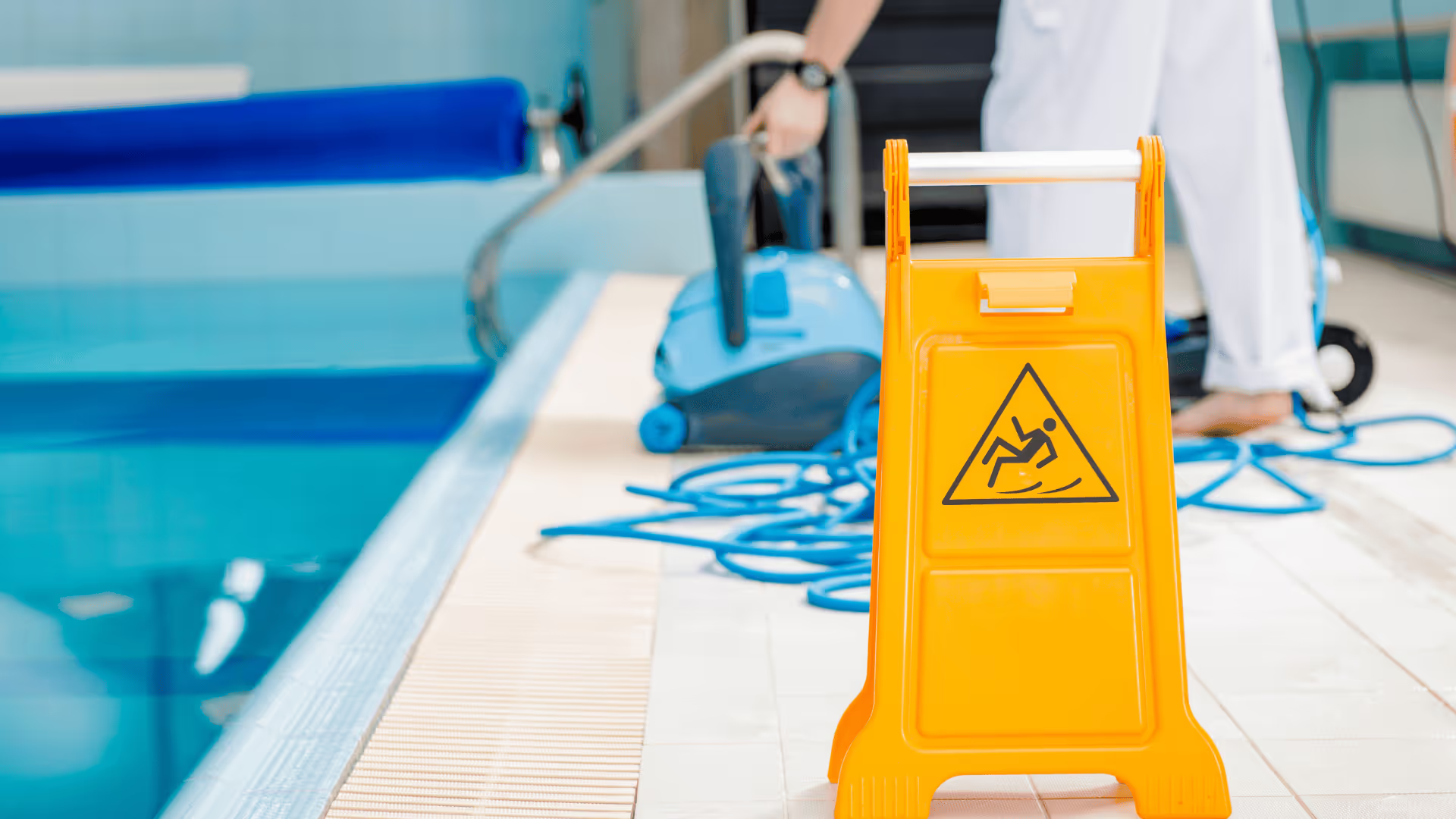
One second, you’re walking to your towel. The next, you’re on the ground—injured, in shock, and scared.
That’s the reality for too many people in Michigan every summer. A slip on a slick pool deck isn’t just embarrassing—it can be life-altering. Broken bones. Concussions. Spinal injuries. These aren’t rare; they’re common when pool areas aren’t properly maintained or marked.
Pools should be places of laughter—not litigation. But when property owners cut corners on safety, the consequences land on you and your loved ones.
Whether it’s a public rec center in Detroit or a private apartment complex in Royal Oak, property owners have a duty to keep pool areas safe. When they don’t—and someone gets hurt—that’s not just carelessness. That’s legal negligence.
At Marko Law, we fight for Michiganders who trusted a property to be safe and paid the price for someone else’s shortcuts. If you or someone you love suffered an injury at a pool, you may have a legal claim—and we know how to pursue it aggressively.
Who Is Responsible for Your Injury?
Property Owners and Operators
Whether it’s a hotel chain, apartment complex, community center, or private homeowner—the person or business in control of the property has a legal duty to keep the area safe.
If they failed to:
- Maintain non-slip surfaces
- Fix broken steps or handrails
- Post clear warnings about known hazards
—they may be liable under Michigan’s premises liability laws.
Lifeguards and On-Site Staff
While lifeguards are there to respond to emergencies, they’re also responsible for helping prevent them. If your injury happened because of:
- Negligent supervision
- Failure to enforce pool rules
- Ignoring visible hazards
—then the supervising staff—or their employer—may be held responsible for their inaction.
Third-Party Contractors
Sometimes the hazard wasn’t the result of poor maintenance—it was caused by bad construction or repair work.
- Did a maintenance company ignore a drainage issue?
- Did a pool builder install tiles that became dangerously slippery?
- Was a recent “fix” actually a ticking time bomb?
Michigan Premises Liability Law
MCL 554.139 – The Legal Duty to Maintain Safe Premises
Michigan law (specifically MCL 554.139) holds landlords and property managers responsible for maintaining common areas in a condition fit for their intended use.
If the pool deck, walkway, or locker room was wet, broken, or poorly maintained, and it caused your fall—you may have a strong legal claim under this statute.
Status Matters: What Kind of Visitor Are You?
Michigan courts recognize that not all visitors are treated equally under the law. Your rights depend on your “status” at the time of the injury:
- Invitee: If you’re a paying guest, tenant, or member of the public using the pool as intended, you are an invitee—and owed the highest level of protection.
- Licensee: If you’re visiting someone with permission but not for business purposes (like a backyard pool guest), you’re a licensee—owed reasonable care.
- Trespasser: Even trespassers are protected from willful or wanton harm, but claims are harder to bring.
Invitees, especially, are protected under the law—and most people using pools at hotels, apartments, or gyms fall into this category.
What Property Owners Are Legally Required to Do
If you’re injured at a pool, ask: Did the owner do everything a reasonable person would to prevent this? Their duties include:
- Warning of known dangers (like slippery decks, broken tiles, or drop-offs)
- Repairing hazardous conditions in a timely manner
- Installing safety features such as:
- Non-slip mats or coatings
- “Caution: Wet Floor” signs
- Proper lighting and drainage
Public vs. Private Pools: What’s the Difference Legally?
Public Pools: Higher Standards, Tougher Procedures
Public pools—like those at city parks, community rec centers, and gyms—are heavily regulated. That means more safety rules, but also more legal complexity when something goes wrong.
Public pool operators are required to:
- Comply with Michigan public health codes
- Follow ADA accessibility regulations
- Maintain and inspect the area according to local ordinances
But here’s the catch: when a government entity is involved, your time to act is shorter. You may need to file a Notice of Claim within just 120 days under the Michigan Governmental Tort Liability Act.
Private Pools: Landlords, HOAs, and Homeowners
Private pools—like those at apartments, condo complexes, hotels, or even single-family homes—are still subject to Michigan’s premises liability law. The difference? You’re typically suing a private individual or business, not a government.
Private pool owners must:
- Warn about known dangers (slippery steps, cracked surfaces)
- Fix hazards in a timely manner
- Provide reasonable safety measures (signage, supervision)
Failure to do any of these things could make them legally liable.
In cases involving:
- Apartments or condos: The landlord or HOA is often responsible
- Hotels or Airbnbs: The business or property manager may be on the hook
- Backyard pools: Homeowners could face liability, typically covered under their homeowner’s insurance
Evidence That Strengthens Your Claim
Photos and Videos of the Scene
Immediately after a fall—if you’re able—take photos or videos of the area where the injury happened:
- Slippery surfaces
- Missing signs
- Cracked tiles or uneven concrete
- Pooling water or mold growth
Time-stamped images are crucial, especially if the hazard is something that can be quickly cleaned or fixed after your injury.
Eyewitness Accounts
People who saw what happened can provide firsthand accounts of:
- How the fall occurred
- What the conditions were like
- Whether there were warning signs or staff present
We track down witnesses fast and lock in their statements—before memories fade or stories change.
Injury Reports and Medical Records
Always report the incident to staff or property management. If possible, file a written incident report. Then, seek medical attention immediately—even if the injury seems minor.
Your medical records:
- Show the severity of your injury
- Link it directly to the fall
- Can include expert opinions on long-term effects
These documents tell the story of your suffering—and insurance companies take them seriously.
Maintenance Logs or Code Violations
If a property owner ignored complaints or violated building or health codes, that’s powerful evidence of negligence.
We dig deep to uncover:
- Prior slip-and-fall complaints
- Inspection failures
- Broken equipment or ignored repair notices
Patterns of negligence can turn a simple case into a slam dunk.
Surveillance Footage
Many pools—especially at hotels, gyms, or apartment complexes—have security cameras nearby.
We act quickly to:
- Request footage before it’s deleted or overwritten
- Subpoena video evidence if necessary
Video doesn’t lie. If we can show exactly what happened—and when—it makes your case far more compelling.
Damages You May Recover
Medical Expenses – Now and in the Future
Injuries from poolside falls can require:
- Emergency room visits
- Surgery or hospitalization
- Physical therapy and rehab
- Prescription medication
- Follow-up appointments and medical devices
Lost Wages or Reduced Earning Capacity
If you’re forced to miss work—or can’t return to the same job due to physical limitations—you may be entitled to compensation for:
- Time off during recovery
- Lost benefits or bonuses
- Long-term loss of earning potential
Pain and Suffering
In Michigan, victims can also seek compensation for non-economic damages—what you’ve endured emotionally and physically:
- Daily pain
- Limited mobility
- Disrupted relationships
- Anxiety, PTSD, or loss of enjoyment in life
Scarring, Permanent Disability, Emotional Trauma
السقوط الذي يؤدي إلى:
- تشوه جسدي
- فقدان وظيفة أحد الأطراف
- تلف طويل الأمد في الأعصاب أو العمود الفقري
قد يؤدي إلى تحديات مدى الحياة. نحن نعمل مع خبراء طبيين لإثبات مدى إصابتك وكيف تؤثر على حياتك اليومية.
تعويضات الوفاة الخطأ
إذا فقدت أحد أحبائك بسبب إصابة مميتة في حمام السباحة، فإن قانون الوفاة الخطأ (MCL 600.2922) في ميشيغان يسمح لأفراد الأسرة بالمطالبة بـ:
- تكاليف الجنازة والدفن
- فقدان الرفقة والدعم
- الألم والمعاناة العاطفية
- فقدان الدخل المستقبلي
لا تدع تعثرة واحدة تحدد مسار حياتك—طالب بمحاسبة المسؤولين
إن السقوط بجانب حمام السباحة يمكن أن يغير حياتك في لحظة. لحظة واحدة من الإهمال—سواء كانت علامة تحذير مفقودة، أو بقعة خرسانية زلقة، أو درابزين مكسور—وفجأة تجد نفسك تتألم، ومتوقفاً عن العمل، وتتساءل عما سيحدث بعد ذلك.
لم تكن سقطتك بسبب تعثرك، بل كانت نتيجة تقصير أحدهم في أداء عمله.
في Marko Law، ندرك تماماً كيف يمكن لهذه الإصابات أن تقلب حياتك رأساً على عقب. لقد رأينا عملاء تحولت حياتهم من النشاط والاستقلالية والتفاؤل إلى صراع مع الفواتير الطبية، والألم المزمن، والصدمات النفسية. هذا ليس مجرد أمر مؤسف، بل هو ظلم بيّن. ونحن لا نتغاضى عن الظلم.
عندما تدخل إلى ممتلكات الغير—سواء كان مسبحاً عاماً، أو فندقاً، أو نادياً رياضياً، أو مجمعاً سكنياً—فمن حقك أن تتوقع توفر معايير السلامة. وإذا لم يلتزموا بهذه المسؤولية، فإن القانون يمنحك الحق في محاسبتهم.
تواصل مع Marko Law للحصول على تقييم مجاني لقضيتك
📞 الهاتف: 1-833-MARKO-LAW أو +1 313-777-7777
📍 المكتب الرئيسي: 220 W. Congress, 4th Floor, Detroit, MI 48226
🌐 الموقع الإلكتروني: www.markolaw.com
🔗 اعرف المزيد عن
فريقنا | مجالات الممارسة | الأحكام القضائية