Video is everywhere now. Phones are always in our pockets. Doorbells record who comes and goes. Dash cams run every time we drive. Surveillance systems watch stores, apartments, parking lots, and workplaces. Police officers wear body cameras. Whether we realize it or not, life is constantly being recorded.
And when something goes wrong—when a crash happens, force is used, or someone is seriously hurt—the impact of seeing it unfold on screen can be overwhelming.
Video doesn’t rely on memory. It doesn’t soften the truth. It shows the moment exactly as it happened. For injured or wronged people across Michigan, that can be the difference between being dismissed and being believed.
Excuses fall apart on camera. Denials lose their power. Finger-pointing stops when the footage tells the story for itself. In many cases, video evidence has become the turning point—the moment when the truth can no longer be ignored.
How Video Evidence Changes the Balance of Power
Why Defendants and Insurance Companies Fear Clear Video
In lawsuits across Michigan, video evidence shifts leverage instantly. Insurance companies and defendants are built to dispute claims—delay them, minimize them, deny them. That strategy works best when cases rely on conflicting stories.
Video disrupts that system.
When footage exists, there’s no room to spin facts or reframe reality. The usual tactics—questioning credibility, blaming the victim, or rewriting timelines—collapse when the incident plays out frame by frame.
What Video Can Prove—Without Debate
Clear footage can do what paperwork and testimony often can’t:
- Disprove false police or accident reports
Video has overturned official narratives when reports didn’t match reality. - Expose excessive force or misconduct
What’s described as “resistance” on paper can look very different on camera. - Show fault in car, truck, and motorcycle crashes
Lane changes, red lights, sudden stops, and reckless behavior don’t hide on video. - Reveal dangerous property conditions
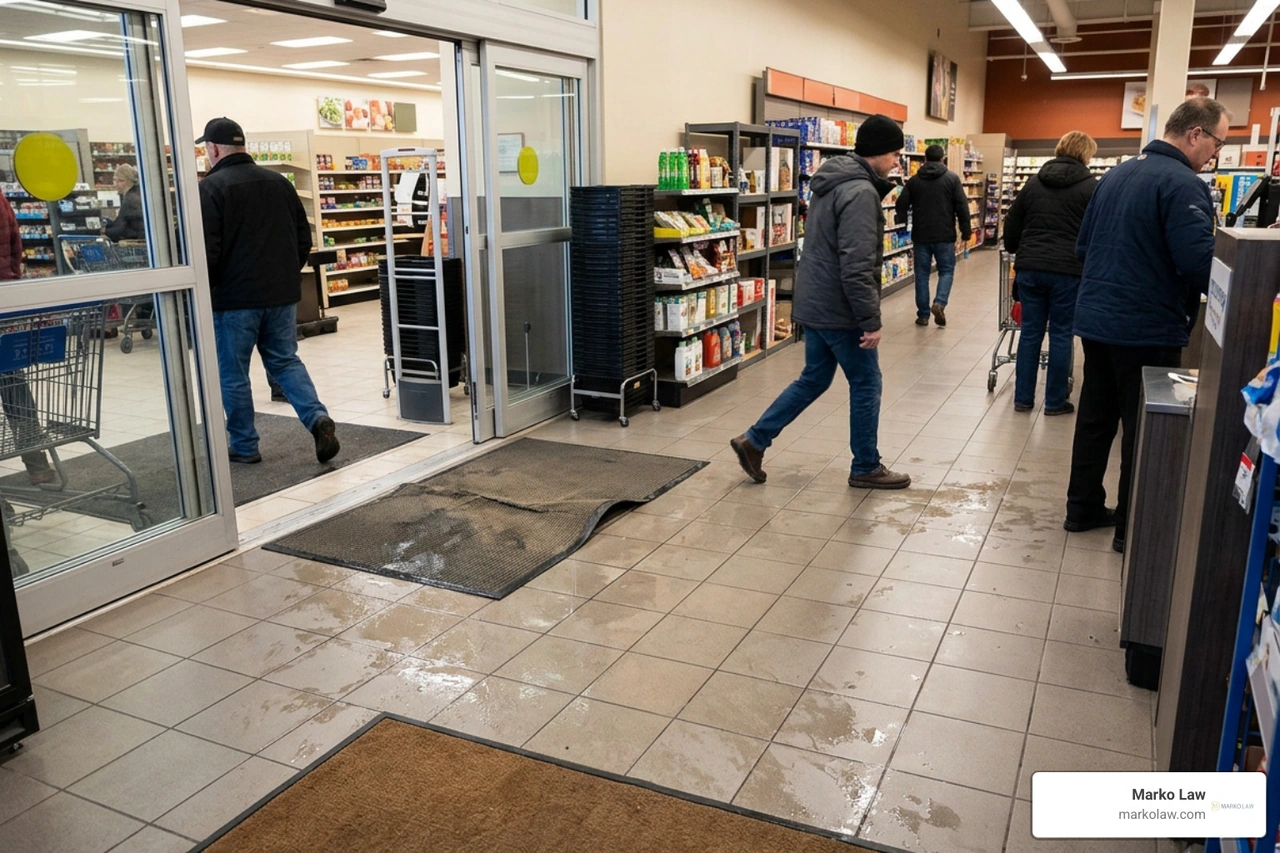
Wet floors, broken steps, poor lighting, and ignored hazards become undeniable.
From “Your Word vs. Theirs” to “The Video Doesn’t Lie”
Without video, many cases come down to credibility battles. With video, the power dynamic changes. It’s no longer about who sounds more believable—it’s about what actually happened.
And that’s exactly why video evidence matters so much.
Common Types of Video Evidence Used in Michigan Cases
Cell Phone Footage
Bystanders and victims often record incidents as they happen. Cell phone videos have exposed:
- Dangerous driving
- Excessive force
- Unsafe property conditions
- Public misconduct
Dash Cam Footage
Dash cams are increasingly common in:
- Cars and motorcycles
- Commercial trucks and buses
- Rideshare vehicles
- Police cruisers
Surveillance Cameras
Fixed cameras capture what happens when no one thinks they’re being watched, including:
- Slip and fall incidents
- Assaults or altercations
- Unsafe property conditions
- Workplace injuries
Doorbell and Home Security Cameras
Residential cameras now record sidewalks, driveways, and entryways around the clock. These systems frequently capture:
- Hit-and-run crashes
- Package thefts and assaults
- Incidents spilling over from nearby properties
Body-Worn Cameras
Police and security body cams have changed civil rights litigation forever. While not perfect, these recordings can:
- Confirm or contradict official narratives
- Show use of force and escalation
- Reveal what was said—and what wasn’t
Video Evidence in Personal Injury Cases
Crashes and Catastrophic Injuries
Video plays a decisive role in:
- Car, truck, and motorcycle accidents
- Pedestrian and bicycle crashes
- Multi-vehicle collisions involving commercial drivers
Dash cams, traffic cameras, and nearby surveillance often capture the critical seconds insurers want to ignore.
Slip and Fall Cases Caught on Surveillance
Property owners frequently deny responsibility—until the footage surfaces. Surveillance videos can show:
- How long a hazard existed
- Whether warnings were posted
- How the fall actually occurred
What’s dismissed as “clumsiness” can quickly become clear negligence.
What Video Helps Establish
Footage can answer questions that insurers love to argue over:
- Speed – Was the vehicle actually speeding?
- Impact – How severe was the collision?
- Visibility – Could the driver see the hazard or pedestrian?
- Reaction time – Was there time to brake, stop, or avoid impact?
Why Insurers Settle Differently When Video Exists
When the evidence is visual and undeniable, the risk changes. Trials become unpredictable—for the defense. That’s why cases with strong footage often move faster and are taken more seriously.
Video Evidence in Civil Rights and Police Misconduct Cases
The Role of Body Cams and Civilian Recordings
Body-worn cameras and bystander videos have reshaped civil rights litigation. They’ve revealed:
- Excessive force
- Unlawful arrests
- Escalation without cause
- Discrepancies between reports and reality
Civilian footage, in particular, has become a powerful counterbalance to official accounts.
When Video Exposes False Narratives
Time and again, video has shown that what was claimed after the fact doesn’t line up with what actually happened. These cases aren’t just about policy—they’re about accountability and constitutional rights.
Limitations and Risks of Video Evidence
Video is powerful—but it’s not perfect. Common issues include:
- Missing footage that was never preserved
- Claims of “camera malfunction”
- Selective release of clips that omit critical context
Footage can disappear quickly or be edited in ways that favor institutions over individuals.
Why Aggressive Legal Action Is Often Necessary
Securing full, unedited recordings often requires immediate legal pressure. Without it, evidence can be delayed, restricted, or lost. That’s why experience matters—and why early action can make or break a case.
Is Video Evidence Always Admissible in Michigan Courts?
Short answer: no—not automatically. Video can be incredibly powerful, but Michigan courts still apply rules to decide whether footage can be shown to a jury. That’s where strategy—and experience—matters.
What Courts Look For Before Allowing Video Evidence
To be admitted in a Michigan lawsuit, video evidence generally must meet a few core requirements:
Authenticity
The video must be proven to be real and unaltered. That usually means showing:
- Where the footage came from
- Who recorded it
- That it fairly and accurately depicts what it claims to show
If authenticity is questioned, even strong footage can be delayed or challenged.
Relevance
The video has to matter to the case. Courts ask:
- Does it help prove or disprove a key fact?
- Does it show what happened during the incident in question?
Footage that’s dramatic but unrelated won’t make it in.
Chain of Custody
Courts want to know the video was handled properly from the moment it was recorded to the courtroom:
- Who had access to it
- Whether it was copied, transferred, or stored securely
- Whether anything could have been altered
A broken chain of custody is a favorite defense argument.
Why Context Matters More Than People Realize
A video rarely tells the entire story by itself. What it shows—and what it doesn’t—matters.
For example:
- A clip might start after an important warning was ignored
- A camera angle may miss a hazard or threat just outside the frame
- Audio may be unclear or missing
That’s why skilled lawyers don’t just “play the video.” They explain it, frame it, and provide the context jurors need to understand the truth.
How Defense Lawyers Try to Attack Video Evidence
Defense teams know how dangerous clear footage can be, so they often try to:
- Claim the video is misleading or incomplete
- Argue the angle or timing distorts what really happened
- Suggest the footage was edited or selectively recorded
- Downplay what the video actually shows
Without a clear legal strategy, even powerful video can be minimized or misunderstood.
Why Legal Strategy Makes the Difference
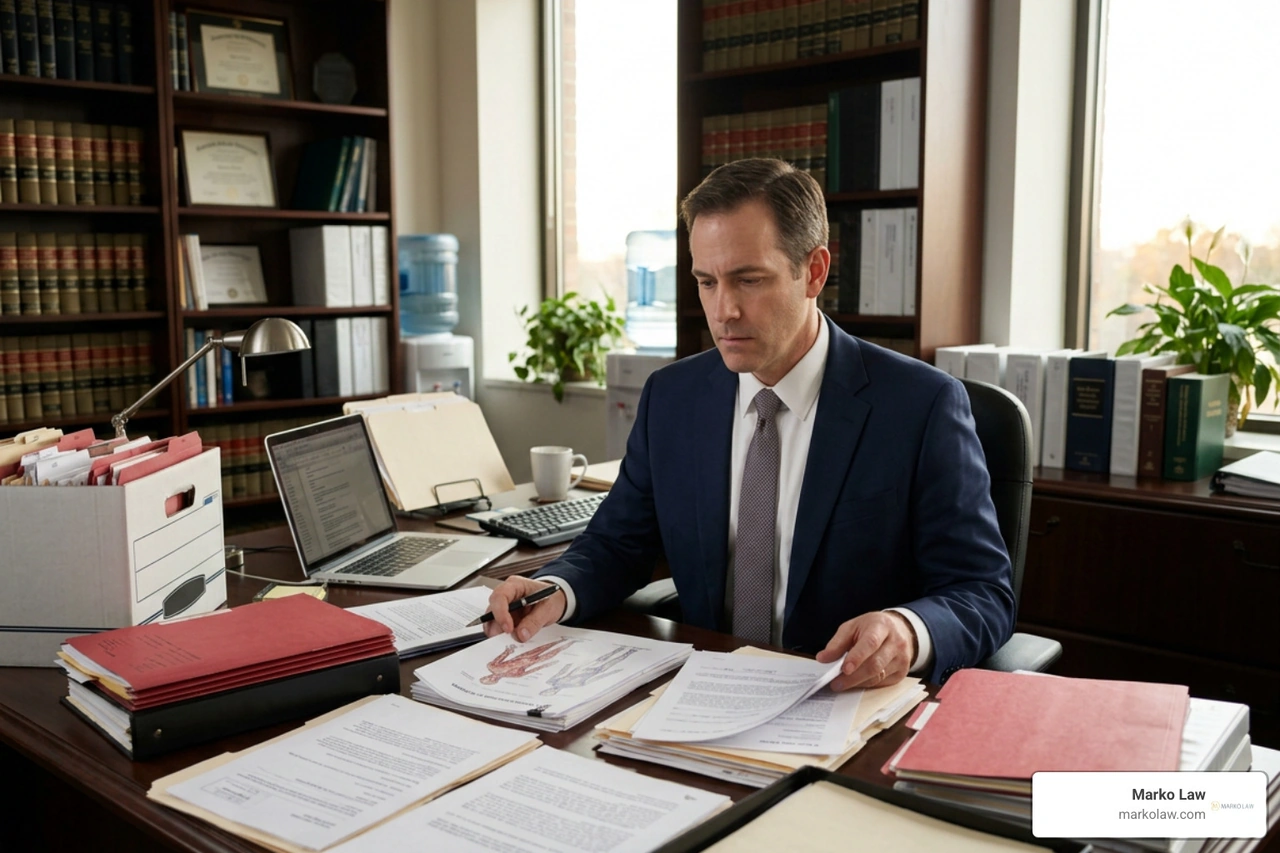
Video doesn’t speak for itself in court—lawyers speak for it. The way footage is introduced, explained, and tied to witness testimony can determine whether it becomes a turning point or background noise.
At Marko Law, we don’t just collect video. We build cases around it.
The Camera Changed the Story—Now What?
Video evidence has fundamentally reshaped accountability in courts across Michigan. What once came down to conflicting stories now often comes down to what the camera captured—clearly, objectively, and in real time.
If footage exists, time matters. Delays give powerful defendants opportunities to control the narrative, minimize the damage, or make evidence disappear. You don’t have to face that alone.
Marko Law is a trial-first firm with a history of standing up to powerful defendants—whether they’re insurers, corporations, or government agencies. When video evidence is involved, we move with urgency and purpose, because we know what’s at stake.
Contact Marko Law for a Free Case Evaluation
📞 Phone: +1-313-777-7777
📍 Main Office: 220 W. Congress, 4th Floor, Detroit 48226
🌐 Website: https://www.markolaw.com/