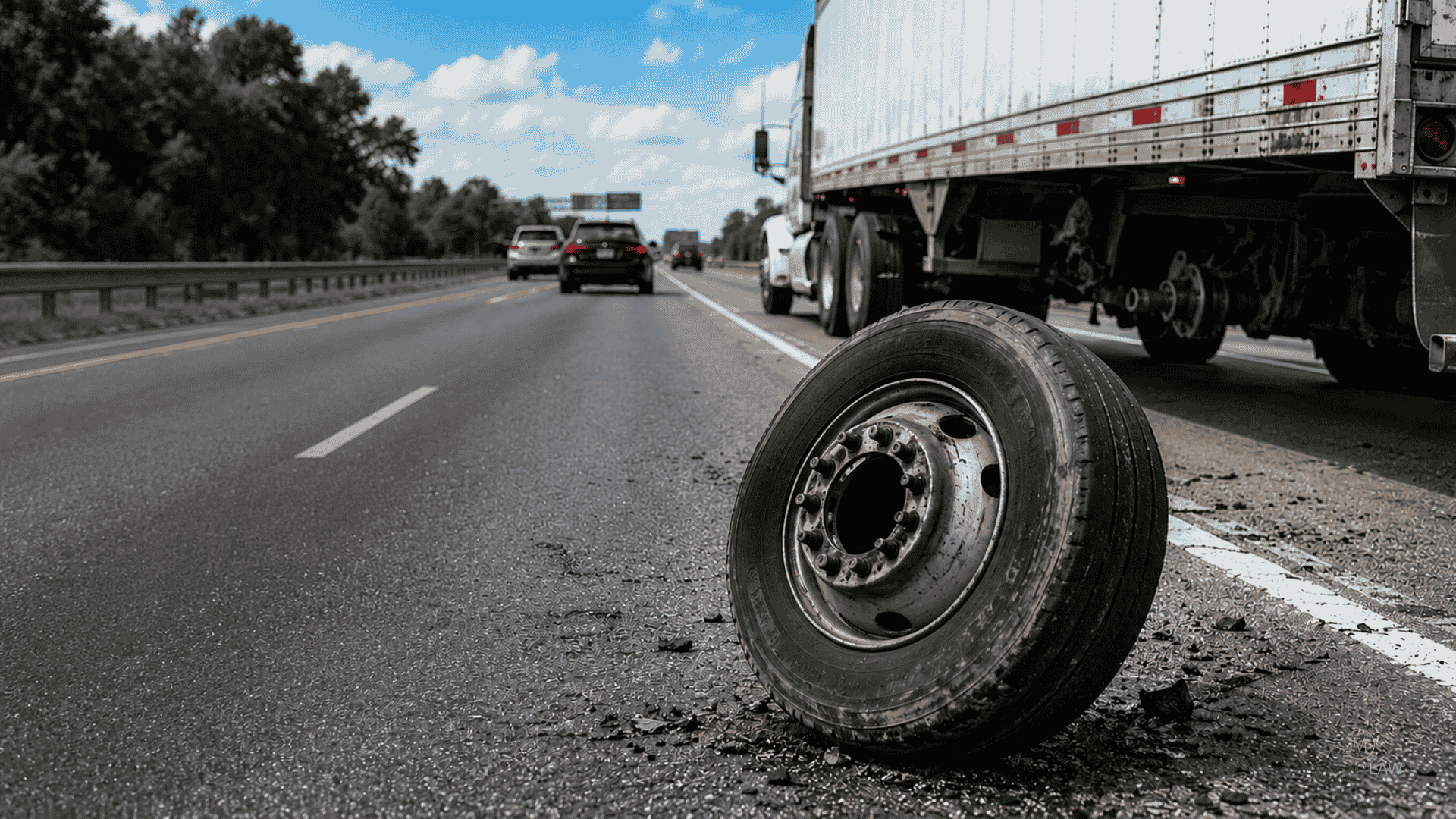
A truck barreling down the highway is already a force to be reckoned with. But when one of its wheels suddenly detaches, that force becomes unpredictable, violent, and often catastrophic. In a matter of seconds, a routine drive can turn into a life-altering event.
Wheel-off accidents are not rare anomalies. They are the result of preventable failures. Loose lug nuts, poor maintenance, rushed inspections, and ignored safety warnings all play a role. When a tire weighing hundreds of pounds breaks free at highway speed, it becomes a projectile capable of crushing vehicles, shattering windshields, and causing multi-car pileups.
For victims, the aftermath is devastating. Serious injuries, emotional trauma, and financial stress hit all at once. Many people never saw it coming. They were simply in the wrong place at the wrong time.
These cases demand answers. They demand accountability. And they demand action against the companies that allowed dangerous trucks onto the road in the first place.
What Is a Wheel-Off Truck Accident
A wheel-off accident occurs when a tire and wheel assembly separates from a commercial truck while it is in motion. These incidents are sudden, violent, and often impossible for nearby drivers to avoid.
How These Accidents Happen
- A wheel detaches from a commercial truck while in motion
- Often referred to as a wheel-off accident or detached truck tire crash
- The wheel can strike other vehicles, pedestrians, or infrastructure
- The detached tire may bounce or roll unpredictably across lanes
Why the Consequences Are So Severe
The sheer size and weight of commercial truck tires turn them into dangerous projectiles the moment they break free. Unlike typical car accidents, these incidents introduce an uncontrollable object into traffic at high speed.
- Frequently results in severe or fatal injuries
- Can cause multi-vehicle collisions within seconds
- Drivers have little to no time to react or avoid impact
- Even a single detached wheel can trigger widespread damage
The Root Causes: Preventable Failures
Improper Maintenance
When trucks are not properly maintained, critical components begin to fail. The wheel assembly is one of the most essential parts of any commercial vehicle, and even small mistakes can lead to catastrophic consequences.
- Loose or improperly torqued lug nuts
- Worn or defective wheel components
- Failure to inspect axles, hubs, and fasteners
These are not minor oversights. They are warning signs of deeper negligence that can put every driver on the road at risk.
Negligent Inspection Practices
Routine inspections are a frontline defense against disaster. When drivers or companies cut corners, they allow dangerous conditions to go unnoticed until it is too late.
- Skipped pre-trip inspections
- Failure to identify visible defects
- Ignoring warning signs like vibration or noise
A simple inspection could mean the difference between a safe trip and a devastating crash.
Trucking Safety Violations
The trucking industry is governed by strict federal regulations designed to keep roads safe. When companies ignore these rules, they create conditions where preventable accidents become inevitable.
- Violations of Federal Motor Carrier Safety Regulations
- Failure to comply with vehicle maintenance standards
- Poor safety oversight by trucking companies
The Federal Motor Carrier Safety Administration uses systems like SAFER to track company safety data, including maintenance issues and crash history
The Safety Measurement System evaluates carriers across categories like vehicle maintenance and unsafe driving, identifying companies that pose higher crash risks
Who Can Be Held Responsible
Trucking Companies
Trucking companies are responsible for ensuring their vehicles are safe and their drivers are properly trained. When they cut corners, the consequences can be devastating.
- Failure to maintain vehicles
- Negligent hiring or supervision
- Ignoring known safety risks
These companies control the systems, schedules, and standards that keep trucks roadworthy. When those systems fail, accountability starts at the top.
Drivers
Drivers are the last line of defense before a truck hits the road. They are required to inspect their vehicles and refuse to operate unsafe equipment.
- Skipping inspections
- Operating unsafe equipment
Even under pressure, drivers have a duty to prioritize safety over deadlines.
Maintenance Providers
Third-party maintenance crews and repair shops play a critical role in keeping commercial trucks safe. When they fail to do their job properly, the risks multiply.
- Improper repairs or inspections
- Failure to follow industry standards
A single mistake during maintenance can lead to catastrophic failure at highway speeds.
Manufacturers
Sometimes the issue begins before the truck ever hits the road. Defective parts can create dangerous conditions even when everything else is done correctly.
- Defective wheel components or parts
In these cases, manufacturers may be held accountable for putting unsafe products into circulation.
Evidence That Can Make or Break a Case
Maintenance Records
Maintenance logs can reveal whether a truck was properly serviced or dangerously neglected.
- Show patterns of missed or delayed repairs
- Identify recurring mechanical issues
- Reveal whether critical components like wheels and axles were properly maintained
Inspection Logs
Pre-trip and post-trip inspections are required under federal regulations. These logs can expose whether safety protocols were followed or ignored.
- Document whether inspections were completed
- Highlight overlooked defects
- Show inconsistencies or falsified reporting
Driver Reports
Drivers are required to report issues with their vehicles. These reports can provide key insight into what was known before the crash.
- Identify reported mechanical concerns
- Show whether warnings were ignored
- Establish timelines of known defects
Black Box Data
Most commercial trucks are equipped with electronic logging devices and event data recorders. This data can provide a real-time snapshot of what happened.
- Speed and braking patterns
- Hours of service and driver fatigue
- Mechanical alerts before the incident
Safety Ratings from Federal Databases
Federal systems track trucking company performance over time. These records can uncover a history of safety violations.
- Prior violations related to maintenance or inspections
- Crash history and safety scores
- Patterns of non-compliance with federal regulations
How Trucking Safety Systems Reveal the Truth
SAFER System Insights
The SAFER system, maintained by the Federal Motor Carrier Safety Administration, offers a snapshot of a trucking company’s safety profile.
- Provides company safety snapshots including crash history and inspections
- Reveals prior violations and maintenance concerns
- Tracks company size, operations, and safety ratings
This data can quickly show whether a company has a history of cutting corners.
Safety Measurement System Analysis
The Safety Measurement System goes deeper, analyzing performance across multiple safety categories to identify high-risk carriers.
- Identifies carriers with poor safety performance
- Flags issues in areas like vehicle maintenance and unsafe driving
- Prioritizes companies for intervention based on risk levels
Patterns in this system often point to companies that should never have been on the road in the first place.
Patterns That Prove Negligence
When you connect the dots, a clearer picture emerges. These systems are not just about numbers. They tell a story.
- Repeated violations over time
- Failure to correct known safety issues
- Consistent patterns of non-compliance
Your Rights After a Wheel-Off Accident
Compensation You May Be Entitled To
If negligence played a role in the crash, you may have the right to pursue compensation for the full impact this accident has had on your life.
- Medical expenses, including emergency care, surgeries, and long-term treatment
- Lost wages from time missed at work
- Reduced future earning capacity if your injuries affect your ability to work
- Pain and suffering, including physical and emotional distress
When the Unthinkable Happens
In the most tragic cases, families are left grieving the loss of a loved one. The law provides a path forward for those seeking justice and accountability.
- Families may pursue wrongful death claims
- Compensation may include funeral expenses and loss of financial support
- Claims may also address the loss of companionship and emotional support
When Negligence Hits the Road
Wheel-off accidents are not accidents in the true sense of the word. They are failures. Failures of maintenance, oversight, and responsibility. And when those failures collide with innocent drivers, the consequences are devastating. These crashes do not happen in a vacuum. They are the result of decisions, missed warnings, and ignored safety obligations that should have protected everyone on the road.
Take the First Step Toward Justice
If you or someone you love has been injured in a wheel-off accident or detached truck tire crash, do not wait. The clock is already ticking on your rights, and critical evidence may be at risk. The sooner you act, the stronger your ability to protect your claim and hold the responsible parties accountable.
At Marko Law, we fight hard—and we don’t back down. We understand the complexity of trucking cases, the federal regulations involved, and the real human impact these crashes leave behind. Our team is committed to standing beside you, guiding you forward, and pursuing the justice you deserve.
Contact Marko Law for a Free Case Evaluation
📞 Phone: +1-313-777-7777
📍 Main Office: 220 W. Congress, 4th Floor, Detroit, MI 48226
🌐 Website: https://www.markolaw.com/