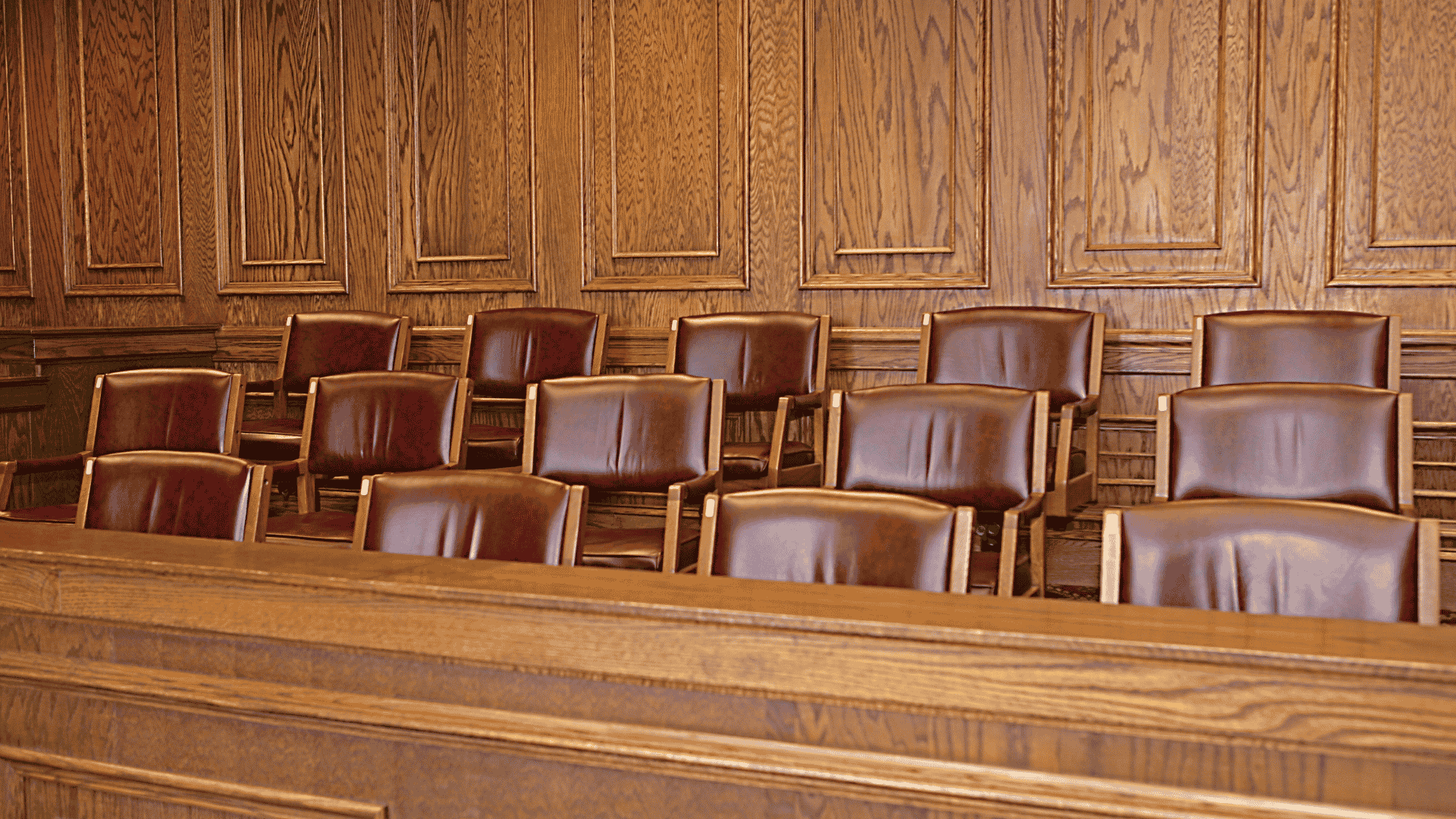
When a jury comes back with a verdict, most people see the result. They see the number. They see the headline. What they don't see is the months, sometimes years, of work that made that moment possible.
Winning at trial isn't a product of courtroom charisma alone. It's the result of relentless preparation, sharp legal strategy, and a willingness to do the hard, unglamorous work that never makes the news. Long before opening statements, a trial lawyer has already fought dozens of smaller battles, gathered mountains of evidence, and built a story that a jury can understand and believe.
If you've been injured or wronged, knowing what your attorney is actually doing on your behalf matters. It's your life, your recovery, and your future on the line.
It Starts With Listening: The Initial Case Evaluation
The first conversation between a client and an attorney is more strategic than it might appear. A good trial lawyer isn't just collecting basic facts during intake. They're listening for inconsistencies, identifying potential gaps, and starting to map out the legal theory of the case from the very first call.
Details that feel minor to a client can carry real legal weight:
- The exact location of an accident and who controlled that property
- Whether a driver was on the clock for an employer at the time of a crash
- What a doctor said, or didn't say, at the first medical visit
- Whether there were witnesses who have since moved on or lost contact
Digging Into the Evidence: Investigation and Preservation
Once a case is accepted, the clock starts. Evidence doesn't wait.
Surveillance footage gets overwritten. Vehicles get repaired or junked. Witnesses move away. Skid marks fade. One of the first and most urgent jobs a trial lawyer has is making sure critical evidence is captured and preserved before it's gone forever.
What that investigation looks like in practice:
- Visiting and photographing the accident scene
- Sending spoliation letters demanding that the opposing party preserve evidence
- Subpoenaing surveillance footage from nearby businesses or traffic cameras
- Obtaining black box data from commercial vehicles
- Securing cell phone records when distracted driving is a factor
- Gathering all available medical records and emergency response reports
Building the Medical Picture
In personal injury cases, medical documentation isn't just supporting evidence. It's the foundation of everything.
Insurance companies and defense attorneys will scrutinize every gap in treatment, every missed appointment, and every moment a client didn't follow through on a doctor's recommendation. They will use those gaps to argue that the injuries weren't serious, or that they were caused by something else entirely.
What trial lawyers do to build a strong medical record:
- Work closely with treating physicians to ensure injuries are thoroughly documented
- Identify and retain independent medical experts who can explain complex injuries to a jury
- Help clients understand why consistent, documented medical care is critical to their case
- Connect clients with appropriate specialists when their primary care has fallen short
- Review all records carefully for errors, omissions, or language that could be twisted by the defense
Finding and Preparing Expert Witnesses
Most trial cases require more than the word of the injured person. They require credentialed experts who can explain to a jury, in plain terms, exactly what happened, why it happened, and what it means for the person sitting at the plaintiff's table.
Common experts in personal injury and civil rights cases:
- Accident reconstructionists: Piece together how a crash occurred using physical evidence, data, and engineering principles
- Medical experts: Explain the nature and permanence of injuries in language a jury can follow
- Economists and vocational experts: Calculate lost wages, reduced earning capacity, and future financial impact
- Life care planners: Project the long-term costs of ongoing medical needs and care
- Industry standard experts: Testify about whether a company, employer, or individual violated established standards of care
The Discovery Process: Forcing the Truth Into the Open
Discovery is the formal legal process by which both sides exchange information before trial. For a plaintiff's attorney, it's one of the most powerful tools available, and one of the most labor-intensive phases of case preparation.
The core discovery tools:
- Depositions: Sworn, recorded testimony taken before trial. Lawyers depose defendants, witnesses, and experts. What a defendant says under oath becomes a weapon if they try to change their story at trial.
- Interrogatories: Written questions that the opposing party must answer under oath. Used to lock in facts, identify witnesses, and expose inconsistencies.
- Requests for production: Demands for documents, records, data, communications, and other materials. This is how internal emails, policies, training records, and incident reports come to light.
- Requests for admission: Statements the opposing party must either admit or deny. A strategic way to nail down undisputed facts and narrow the issues at trial.
Legal Research and Motions Practice
Trials aren't just won with facts. They're won with law. Before a jury ever hears a single word of testimony, attorneys are fighting over what that jury will be allowed to hear in the first place.
Key pretrial motions that shape outcomes:
- Motions to compel: Filed when the opposing side refuses to produce documents or answer discovery. Forces compliance through court order.
- Motions in limine: Requests to exclude certain evidence or testimony from trial. A skilled lawyer uses these to keep damaging but legally improper material away from the jury.
- Summary judgment motions: Filed by defendants who argue the case should be dismissed before trial. Defeating these motions requires solid legal research and a well-constructed factual record.
Jury Research and Trial Strategy
The best trial lawyers think about the jury long before jury selection begins. How will an ordinary person in Detroit react to this evidence? What misconceptions might they bring into the courtroom? What's the most compelling way to present a complex medical or technical issue to someone with no background in it?
Tools trial lawyers use to prepare for the jury:
- Mock trials and focus groups: Present the case to surrogate jurors to test arguments, identify weaknesses, and refine the story
- Jury profiling and research: Understand the demographics, experiences, and potential biases of the likely jury pool
- Exhibit and demonstrative preparation: Build visual aids, timelines, and graphics that make complex facts easier to absorb
- Witness preparation: Prepare every witness, including the client, to testify clearly, honestly, and without being rattled by cross-examination
Negotiation and the Decision to Go to Trial
Case preparation and settlement negotiation don't run on separate tracks. They run side by side. As the case gets stronger, the pressure on the defense grows.
A defendant's willingness to offer a fair settlement is directly tied to how trial-ready the plaintiff's case is. When they see organized evidence, credible experts, solid legal arguments, and a lawyer with a track record of winning at trial, the calculus changes.
- A well-prepared case creates real leverage at the negotiating table
- Many cases settle once discovery reveals damaging information the defense didn't want public
- The decision to reject a settlement is never taken lightly, but sometimes it's the right one
- For clients who want full accountability, not just a check, trial is sometimes the only path
The Work Behind the Verdict
When you hire a trial lawyer, you're not hiring someone to show up on the day of trial and speak on your behalf. You're hiring someone to fight for you every day between now and that moment, and every day after if an appeal follows.
The cases that result in record-setting verdicts, the kind that change lives and set precedents, don't happen by accident. They happen because someone was willing to put in the work that most people never see. The late nights reviewing deposition transcripts. The early mornings on a phone call with a medical expert. The months spent building a case so airtight that a jury has no choice but to return the right verdict.
That's what it means to be a trial lawyer in the truest sense. Not someone who files paperwork and hopes for a settlement. Someone who prepares to win.
Your Case Deserves That Same Commitment
If you've been injured or your rights have been violated, the lawyer you choose matters more than most people realize. The difference between a case that settles for less than it's worth and a verdict that changes your life often comes down to preparation, experience, and the willingness to go all the way.
At Marko Law, we fight hard. We don't back down.
Contact us today for a free case evaluation.
📞 +1-313-777-7777
📍 220 W. Congress, 4th Floor, Detroit, MI 48226
🌐 markolaw.com