Northern Michigan in the summer. A lakeside resort in Traverse City. A weekend getaway in Mackinac. For millions of Michigan residents and out-of-state visitors, a hotel or resort stay is supposed to be the best part of the season, a break from routine, a chance to decompress, a memory in the making.
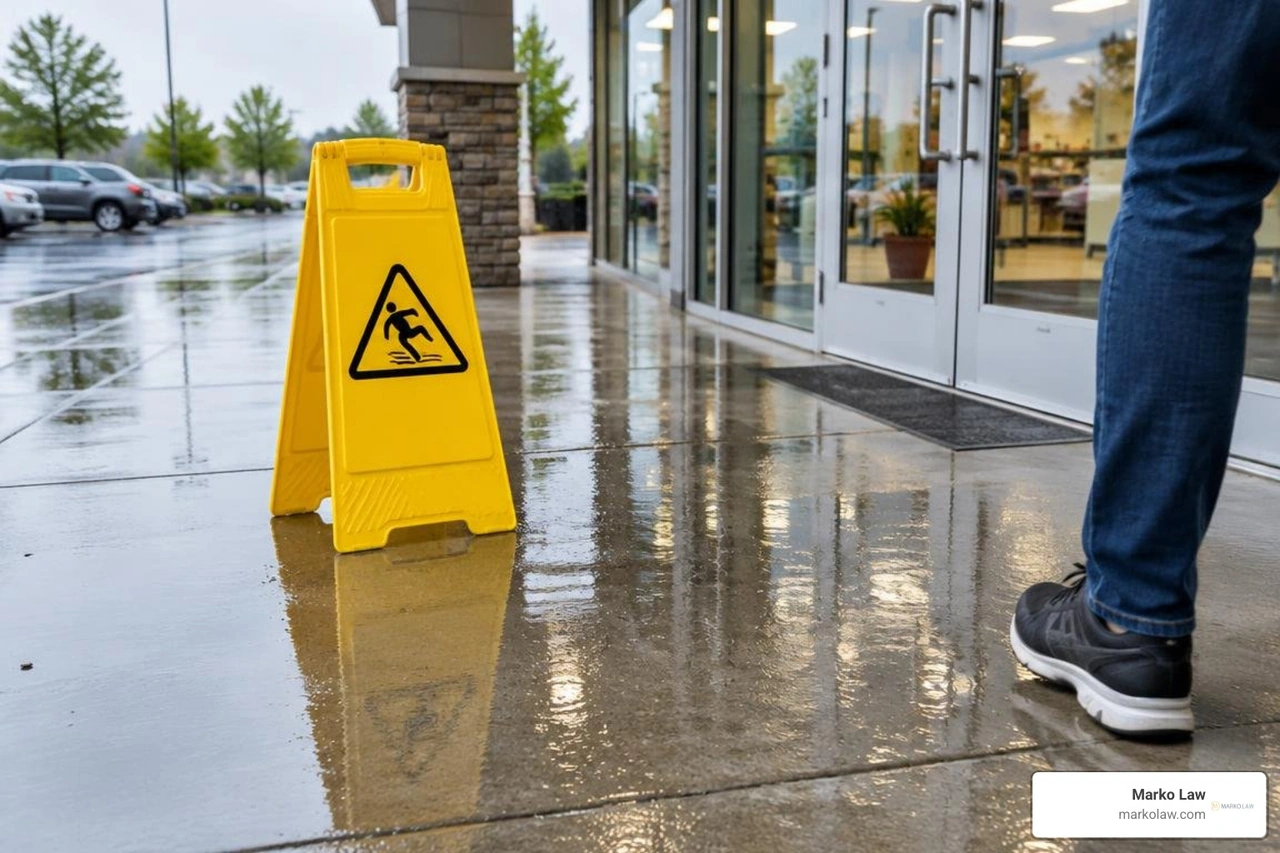
Then the floor is wet with no warning sign. The pool deck is slick and unattended. The stairwell light has been burned out for a week. One moment of someone else's negligence, and the vacation becomes something else entirely. An ER visit, a fracture, a surgery, a stack of medical bills that follows you home.
Hotels and resorts are businesses that profit from welcoming guests onto their property. With that profit comes a legal responsibility to keep those guests safe. When they fail and people get hurt, Michigan law provides a path to accountability.
Michigan Premises Liability Law: What Hotels and Resorts Are Actually Required to Do
The Legal Duty of Care Owed to Guests
The duty a property owner owes depends on the legal classification of the person who was injured. Hotel and resort guests are classified as invitees, the highest-protection category under Michigan premises liability law.
An invitee is someone who is on the property at the owner's express or implied invitation, for a purpose connected to the owner's business. Paying hotel guests qualify without question. So do visitors to resort restaurants, spas, and event spaces, even if they aren't staying overnight.
Invitee Status and What It Means for Your Claim
Because guests are invitees, hotels and resorts owe them the highest duty of care recognized under Michigan law. That duty includes:
- Inspecting the property regularly for dangerous conditions
- Repairing known hazards within a reasonable time
- Warning guests of dangers that can't be immediately fixed
- Maintaining common areas to a standard that is reasonably safe for ordinary use
What Makes a Hotel or Resort Legally Responsible
Actual vs. Constructive Notice: The Legal Standard Explained
Michigan premises liability law requires proving that the property owner had notice of the dangerous condition. That notice can be:
- Actual notice: the hotel knew about the hazard directly, through staff observation, a prior complaint, or a maintenance report.
- Constructive notice: the condition existed long enough that a reasonably attentive property owner should have discovered it through routine inspection.
Constructive notice is particularly important because hotels rarely admit actual knowledge. If a wet floor existed for 45 minutes before someone fell, the question becomes whether the property's inspection schedule should have caught it. If inspections are infrequent or poorly documented, the answer may favor the injured guest.
How Staffing, Maintenance Records, and Inspection Logs Factor In
One of the most valuable categories of evidence in hotel slip-and-fall cases is the property's own internal documentation. Maintenance logs, housekeeping schedules, inspection checklists, and prior incident reports can establish a pattern of neglect or reveal that a hazard was reported and ignored. Getting that documentation requires moving quickly, and often requires legal process to compel production.
The Role of Prior Incidents and Complaints
If other guests have been injured in the same location, or if prior complaints about the same hazard were logged and not addressed, that history is powerful evidence of negligence. Hotels track this information internally. Surfacing it is part of what experienced premises liability attorneys do.
What to Do Immediately After a Slip-and-Fall at a Michigan Hotel or Resort
Report It: The Right Way
Report the incident to hotel management before you leave the property. Request that a formal incident report be completed, and ask for a copy. If they won't provide one, document in writing that you made the request and it was denied. Your report creates an official record that the incident occurred, and that the hotel was on notice.
Document the Scene Before Anything Changes
If you're physically able:
- Photograph the hazard, including the wet floor, the broken step, the missing sign, before staff address it
- Photograph your injuries immediately and again in the days that follow as bruising and swelling develop
- Capture the surrounding area, including lighting conditions, warning sign placement (or absence), and nearby staff stations
- Get witness information: names and contact details from anyone who saw what happened
Seek Medical Attention Immediately
Go to an emergency room or urgent care facility the same day, even if you feel like you can walk it off. Some of the most serious injuries from falls don't produce their full symptom picture for 24 to 72 hours. A medical record created the day of the incident is far more valuable to your claim than one created a week later when symptoms worsen.
What Not to Say to Hotel Staff or Management
Be factual and brief. Do not:
- Apologize or suggest the fall was your fault
- Say you "feel fine" or minimize your condition
- Give a recorded statement to hotel management or their insurance representative
- Sign anything the hotel asks you to sign before speaking to an attorney
Preserve Everything
Keep the shoes and clothing you were wearing. Don't wash them. If your footwear becomes a point of contention, a defense argument that your shoes contributed to the fall, the physical evidence matters. Save all medical records, bills, and correspondence with the hotel from the moment the incident occurs.
The Insurance and Legal Landscape Behind Hotel Injury Claims
How Hotel Liability Insurance Works
Most hotels carry commercial general liability insurance with substantial policy limits. Those policies are managed by professional claims adjusters whose job is to resolve claims for as little as possible. They are trained in the tactics, including recorded statements, early lowball offers, and delay strategies, that reduce payouts. The injured guest negotiating alone is at a structural disadvantage from the first phone call.
Corporate Ownership Structures and Why They Complicate Claims
Many hotel properties are owned by one entity, managed by another, and operated under a franchise agreement with a national brand. When something goes wrong, each layer of that structure becomes a potential defendant, and each one may point to another as responsible. Untangling ownership and management relationships is a necessary step in building a hotel injury claim, and it requires legal process that an individual claimant typically can't access alone.
What Happens When the Property Is a Franchise
A franchise relationship between a property and a national hotel brand creates questions about shared liability, particularly when brand standards for safety and maintenance weren't followed. In some cases, the franchisor carries responsibility alongside the local operator. Whether and how that applies depends on the specific franchise agreement and the facts of the incident.
Damages You May Be Entitled to Recover
A successful premises liability claim against a Michigan hotel or resort may entitle you to recover a range of damages, not just your immediate medical bills:
- Past and future medical expenses: including surgery, hospitalization, physical therapy, imaging, and ongoing care
- Lost income: wages missed during recovery, and diminished earning capacity if the injury affects your ability to work long-term
- Pain and suffering: compensation for physical pain, emotional distress, and reduced quality of life
- Travel and out-of-pocket costs: transportation to medical appointments, lodging modifications, assistive equipment
- Permanent disability or disfigurement: where injuries produce lasting physical consequences, additional compensation may be available
You Came Here to Rest. Not to Fight Alone.
A hotel or resort stay is supposed to be the easy part of your summer. When a property's negligence turns it into an injury and a financial burden, the instinct to let it go and move on is understandable. But the bills don't move on. The pain doesn't move on. And the property that failed to keep you safe will not volunteer accountability.
Michigan premises liability law exists precisely for situations like this. You were a paying guest. You were owed a safe environment. When that standard wasn't met, you have the right to pursue the people responsible for it.
Injured at a Michigan Hotel or Resort? Call Marko Law.
If you were injured in a slip-and-fall at a hotel, resort, or any other commercial property in Michigan, Marko Law is ready to evaluate your case and fight for the compensation you deserve. Contact us today for a free case evaluation.
📞 +1-313-777-7777
📍220 W. Congress, 4th Floor, Detroit, MI 48226
🌐 markolaw.com
At Marko Law, we fight hard. We don't back down.