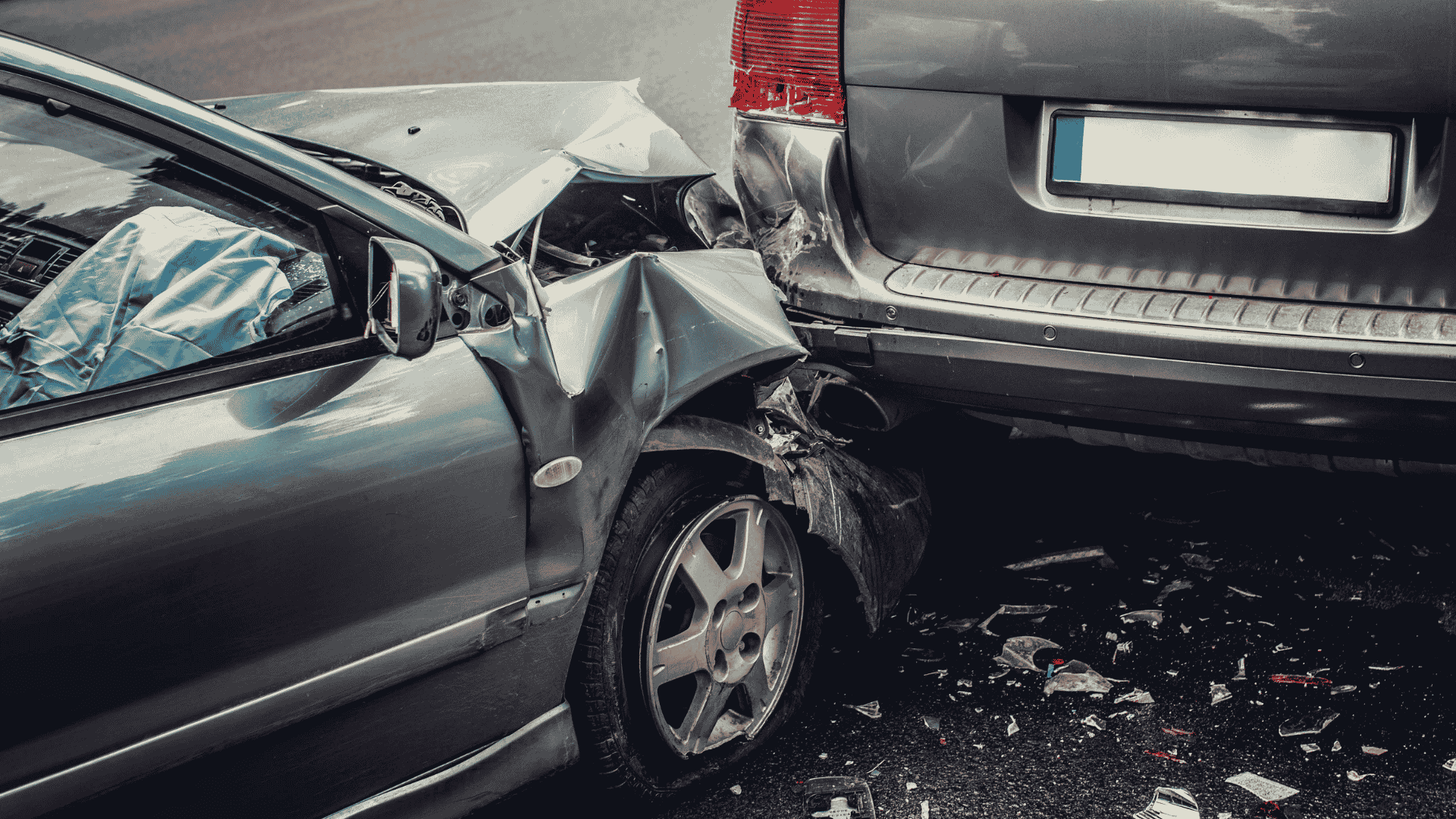
Anyone who drives in Metro Detroit knows the drill. Bumper-to-bumper on I-75. Sudden braking on I-94. Distracted drivers weaving through traffic on Woodward or Jefferson. The conditions here are genuinely difficult, and rear-end collisions are one of the most predictable consequences of driving in this region every single day.
What most people don't realize until it happens to them is how complicated the aftermath can be. The crash itself is over in a second. What follows can stretch on for months or years: medical treatment, insurance battles, lost income, and the slow realization that the damage runs deeper than the dented bumper. At Marko Law, we work with rear-end crash victims throughout Metro Detroit, and we see the same patterns again and again. Understanding those patterns can help you protect yourself if you ever find yourself on the wrong end of one.
The Most Common Injuries We See
Physical Injuries That Show Up After a Rear-End Crash
Rear-end collisions might look minor from the outside, but the forces involved can do serious damage to the human body. The neck and spine are especially vulnerable because of the sudden snapping motion the impact creates.
The injuries we most commonly see include:
- Whiplash and soft tissue damage. This is the most common rear-end injury. The sudden jolt strains the muscles, tendons, and ligaments in the neck and upper back. It can range from mild stiffness to debilitating chronic pain.
- Herniated or bulging discs. The force of impact can compress the spine and push spinal discs out of alignment. This often causes radiating pain, numbness, or weakness in the arms or legs.
- Traumatic brain injuries and concussions. The brain can shift inside the skull on impact, even when there's no direct head trauma. TBIs are frequently missed at the scene and can have lasting effects on memory, concentration, and mood.
- Broken bones and chest injuries. The seatbelt and steering wheel do their job during a crash, but they can also cause rib fractures, sternum injuries, and bruising to the chest wall.
- Lumbar strain and lower back injuries. The lower back absorbs a significant amount of force in a rear-end crash, and injuries here can affect mobility, sleep, and quality of life for a long time.
Psychological Effects That Often Go Unaddressed
The physical injuries get attention. The psychological ones often don't. We regularly see clients dealing with:
- Anxiety behind the wheel after a crash
- Post-traumatic stress disorder (PTSD) triggered by driving or traffic
- Sleep disturbances, hypervigilance, and mood changes
- Depression related to chronic pain and loss of independence
What Happens to Your Vehicle and Why It Matters Legally
The Low-Speed Damage Problem
Insurance companies have spent years training adjusters and juries to connect vehicle damage directly to injury severity. The argument goes something like this: if the car doesn't look that bad, the injuries can't be that serious.
The medical and engineering evidence tells a different story. Low-speed impacts can generate significant biomechanical forces on the occupants while leaving minimal visible damage to the vehicle. Modern bumpers are designed to absorb and recover from impacts, which means they protect the car while the people inside bear the brunt.
We see this tactic used against clients regularly. A minor-looking dent becomes the insurance company's argument that nothing serious happened to you.
What to Do at the Scene
Protect yourself from that argument before it starts:
- Photograph the damage to both vehicles from multiple angles
- Get the other driver's insurance, license, and registration
- Gather contact information from any witnesses
- Note road conditions, traffic signals, and the position of both vehicles
- Never move your vehicle until photos are taken if it is safe to stay put
How Insurance Companies Respond
Why Early Settlement Offers Are Usually a Bad Sign
Insurance companies are businesses. Their goal is to close claims quickly and cheaply. After a rear-end crash, it is common for an adjuster to contact you within days, sometimes hours, with a fast settlement offer.
That offer almost always comes before you know the full extent of your injuries. Soft tissue damage may not have fully developed yet. You may not have had imaging done. You may not know whether you will need surgery, physical therapy, or specialist care.
Accepting that offer means signing away your right to pursue further compensation, no matter what happens next. Once you settle, the case is closed.
Recorded Statements
Adjusters frequently ask for recorded statements shortly after the crash. These conversations are not informal check-ins. They are documented records, and the questions are often designed to elicit responses that limit your claim. You are not legally required to give a recorded statement to the other driver's insurance company. Talk to an attorney before you do.
Michigan No-Fault Insurance and How It Fits In
Michigan operates under a no-fault insurance system, which means your own insurance covers your medical expenses and lost wages up to your policy limits regardless of who caused the crash. However, you may also have a claim against the at-fault driver for pain and suffering, excess economic losses, and other damages if the crash meets the legal threshold for a third-party claim.
What Fault Looks Like in a Rear-End Crash
The General Presumption
Michigan law generally holds the following driver responsible in a rear-end collision. The assumption is that a driver maintaining a safe following distance and paying attention would have been able to stop in time. That presumption works in favor of the front driver in most cases.
When Fault Gets Disputed
Not every rear-end crash is straightforward. Fault can be challenged in situations involving:
- Sudden, unexpected stops by the front driver with no road justification
- Multi-vehicle pileups where the chain of causation is disputed
- Mechanical failures on either vehicle
- Road hazards, debris, or poor visibility conditions
- The front driver cutting off the rear driver immediately before the crash
Evidence That Makes a Difference
The stronger your evidence, the stronger your case. After a crash, the most valuable documentation includes:
- Dashcam footage from either vehicle
- Traffic camera or surveillance footage from nearby businesses
- Witness statements gathered at the scene
- The official police report
- Cell phone records if distracted driving is suspected
- Expert accident reconstruction in serious cases
Steps to Take After a Rear-End Accident in Metro Detroit
If you have been rear-ended, the decisions you make in the hours and days after the crash can significantly affect your health and your legal options. Here is what we recommend:
- Call 911. Even for crashes that seem minor, get law enforcement on the scene and get a police report. This creates an official record of what happened.
- Seek medical treatment the same day. Do not wait to see if symptoms develop. Get evaluated, be thorough about every symptom, and follow through on all recommended treatment.
- Document the scene. Photos, witness information, and your own written account of what happened while it is fresh.
- Avoid giving recorded statements. Do not speak to the other driver's insurance company without first consulting an attorney.
- Keep records of everything. Medical bills, treatment notes, missed work days, mileage to appointments, and any other out-of-pocket costs.
- Contact a Detroit personal injury attorney. The sooner you get legal guidance, the better your ability to preserve evidence and understand your rights.
The Road Doesn't Always Look the Same After a Crash
A rear-end collision changes things. It changes how you feel when you get behind the wheel. It changes your mornings when the pain makes it hard to get out of bed. It changes your bank account when the medical bills pile up and the missed work starts to add out. None of that is small, and none of it is something you should be absorbing on your own because another driver wasn't paying attention.
The insurance system is set up to move quickly, settle cheaply, and move on. Your job is not to make that process easy for them. Your job is to get better, to document everything, and to work with someone who knows how these cases actually play out in Michigan courts.
Talk to a Detroit Accident Attorney Today
If you were rear-ended in Metro Detroit and you are dealing with injuries, medical bills, or insurance pressure, contact Marko Law for a free case evaluation. There is no cost to speak with us, and no obligation to move forward. We will tell you where you stand and what your options are.
📞 +1-313-777-7777
📍 220 W. Congress, 4th Floor, Detroit, MI 48226
🌐 markolaw.com
At Marko Law, we fight hard. We don't back down.